
Table of Contents
In today’s streaming-driven industry, marketing is as crucial as the music itself. Verified Market Research projects the global music marketing sector (valued at $5.6B in 2024) to more than double by 2032 – a sign that labels and indie artists alike invest heavily in promotion. Algorithms on Spotify, YouTube, TikTok and other platforms favor consistent engagement: as one industry expert notes, “short-form platforms reward consistent presence more than one-off viral hits”. In other words, marketing won’t make bad music popular, but it ensures your best tracks actually get heard.
1. Build a Strong Artist Brand (Foundation of Music Marketing)

A clear, cohesive brand is the bedrock of all marketing. Berklee’s Bobby Borg stresses that with a defined brand, your messages are “more engaging and persuasive” because fans quickly grasp what you stand for. In contrast, he warns, without a strong identity you risk being “lost in the marketplace” – appearing unpredictable and failing to earn fan loyalty. Similarly, Catapult’s analysis highlights that a consistent brand makes an artist’s work “immediately recognizable”, which over time “breeds comfort and trust” among fans. In practice, this means deciding on your visual look (logo, colors, fonts), tone (serious vs playful, political vs escapist), and narrative (the values or story behind your music), then applying them uniformly across all content. Imagine each album, video and social post as part of a larger story: a strong brand is what unites them.
2. Optimize Your Digital Presence

Your online profiles and website are your constant storefront. Use the same artist name/handle on every platform so fans can find you easily, and fill each bio with clear keywords about your genre and influences. A brief, compelling bio should summarize your style or mission. Experts advise claiming and updating your artist pages on all streaming services: Spotify for Artists, Apple Music for Artists, Amazon Music for Artists, etc. Doing so not only ensures your profile is current, but also unlocks powerful features. For example, Spotify’s artist dashboard offers tools like editorial pitching, Marquee, and profile customization once your page is claimed.
Your website acts as headquarters: include high-quality photos, tour dates, merch links, and especially a way to join your email list. Linking all platforms is key – one expert recommends providing fans a single landing page or “smart link” that connects them to every streaming service, social, and shop you have. Embedding audio players or video teasers on your site keeps visitors engaged. Finally, use analytics (Google Analytics or streaming stats) to learn which pages and videos fans love most, then optimize accordingly.
3. Master Social Media & Short-Form Content
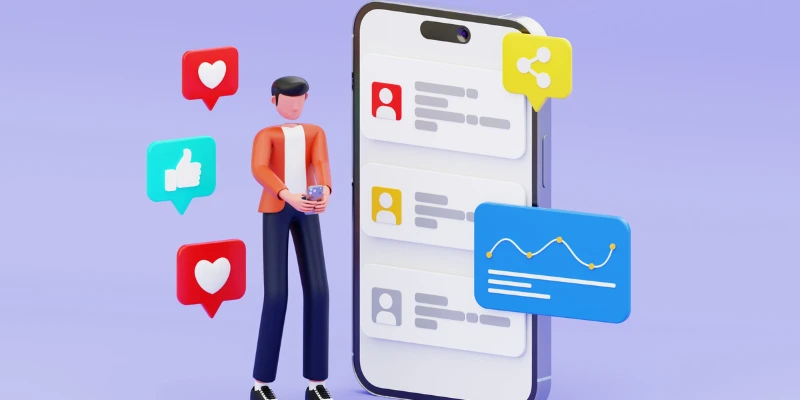
Social platforms are non-negotiable for fan growth. Building a strong presence on TikTok, Instagram (Reels), and YouTube is “no longer optional” – it’s a cornerstone of modern fan acquisition. The goal is to create a dynamic content ecosystem: share music, reveal your personality, and spark engagement. Post a mix of content types: behind-the-scenes studio clips, candid daily life, song snippets, lyric animations or quick live jams. Authenticity is key: as Downtown Music advises, show “small, sustainable glimpses into your world” (like studio time or practice clips) on a regular schedule to keep fans interested.
Leverage TikTok trends and challenges by thoughtfully incorporating your music – but always put you in the content. Downtown sums it up: “Fans follow music, but they stay for people.” By letting the audience see the real you, you build loyalty beyond a single release. Short videos (around 15–30 seconds) generally perform best for discovery; focus on a strong hook or relatable moment in the first few seconds. Monitor which posts drive shares and follows, and double down on that format. Engaging with comments (answering questions, reposting duets) further boosts algorithmic reach. In sum, treat each platform as a unique stage: TikTok content might be fast and raw, while Instagram Reels could be more polished. Whatever the style, be consistent – even casual daily updates count, since one expert notes that consistency tends to “build more lasting engagement” than chasing a single viral hit.
4. Create a Data-Driven Marketing Plan
Marketing isn’t guesswork. Plan each release with goals and trackable metrics. Set a release schedule (e.g. new single or video every 6–8 weeks) and map out a content calendar leading up to and following each drop. Allocate a budget (even a small one) to each phase. Define your target audience – use platform insights to understand demographics and listening habits.
Decide metrics to track: number of streams, new followers, playlist saves, video views, engagement rates (likes/comments/share), and newsletter signups. For example, one analysis points out that acquiring first-party data (email addresses, etc.) is hugely valuable: “One of the most valuable assets an artist can build today isn’t just a fanbase, it’s a database”. Downtown Music highlights that every presave, merch purchase or site visit is “an opportunity” to capture a fan signal and “deepen a relationship”.
After each release, review what worked. Did a certain TikTok trend spike streams? Did ads drive traffic? Use real numbers to refine your approach. Artists who adapt based on data tend to grow faster – if one song got traction in a region, focus follow-up promotion there. In short, be systematic: set up analytics tools (Spotify for Artists, YouTube Studio, Meta Business Suite, etc.) and use the insights to repeat successes and scrap what fails.
5. Use Paid Ads to Amplify Reach
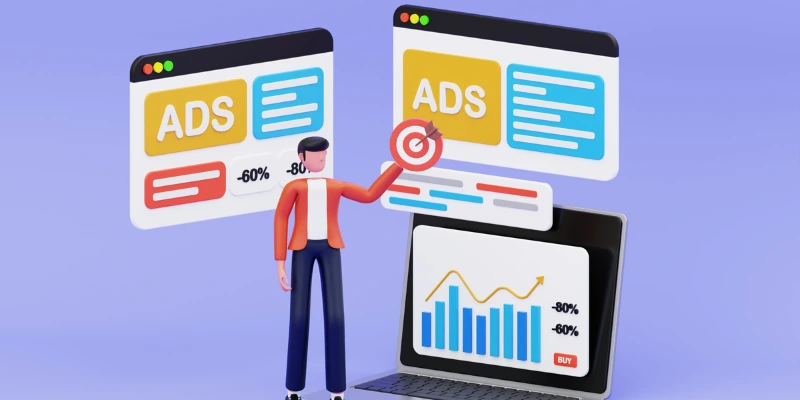
Organic reach alone can be limited; targeted ads can give you a smart boost. Platforms like Facebook/Instagram Ads, TikTok Ads, and YouTube Ads allow precise fan targeting by interest, location, age, or lookalike audiences. Start with a modest budget to test the waters: CD Baby recommends that artists can run campaigns for as little as $5–10 per day initially. This lets you gather insights before scaling up spend.
Create ads that blend in with the platform’s native content. Short videos tend to work best: as CD Baby notes, “videos tend to outperform static images — they’re more dynamic, more engaging, and more likely to stop the scroll”. Good ad ideas include lyric clips of your hook, studio behind-the-scenes footage, or a short clip of a live performance. Always include a clear call-to-action (like “stream now” or “watch full video”).
Test different ad formats: vertical TikTok-style clips, Instagram Stories, or YouTube pre-rolls. Monitor the click-through rate (CTR) and cost-per-click (CPC) for insights. If one ad creative outperforms others, pause the weaker ads and allocate budget to the winner. Remember: the aim is not obvious selling, but giving people a taste of your music so they click through to listen. According to experts, ads should look and feel like regular platform content – use current songs, trendy visuals, and authentic energy rather than slick “sales” pitches.
6. Leverage Playlists & Distribution Channels
Streaming playlists are a game-changer for discovery. Focus on all three playlist types: editorial (Spotify’s flagship and Apple’s curated lists), algorithmic (personalized lists like Release Radar), and independent curator playlists on sites like SubmitHub. As Symphonic notes, the best playlist strategy uses the right mix: editorial spots can spark huge exposure, algorithmic playlists help maintain momentum, and indie playlists drive steady niche growth.
To get on editorial playlists, prepare your pitch early (2–4 weeks before release) via Spotify for Artists or similar tools. Your pitch should be concise and highlight genre, mood, story, and any notable achievements. Meanwhile, bolster your chances by drumming up buzz: share clips on social media, engage collaborators to share it, and encourage fans to add the track to their personal playlists. Even small initial traction (like a few playlist adds or shares) signals to algorithms. One key insight is that platforms like Spotify’s Discover Weekly reward early engagement: if your core fans save or listen to the track in the first day, it’s more likely to spread to others.
Also, don’t overlook independent playlists or user-generated lists on YouTube and Apple Music. Pitching niche playlists (e.g. local radio + indie blogs) can yield dedicated listeners. Claiming your profiles across platforms unlocks helpful tools too: for example, claiming your Spotify page lets you use profile features like Marquee ads and track analytics.
Lastly, distribute broadly. Make sure your song is on all major streaming services (Spotify, Apple Music, Amazon Music, Deezer, etc.), since verified research shows streaming is the dominant way people consume music. Use a smart link service so fans can pick their favorite service. In short: pitch to playlists systematically, encourage saves and follows, and be genre-specific (don’t pitch a country song to a hip-hop playlist!). As one FAQ summary suggests, “All three matter” – so aim for each kind to maximize reach.
7. Build Direct-to-Fan Relationships
Owning your audience is critical. Industry veterans now emphasize moving from renting attention on social platforms to owning relationships with fans. A small percentage of die-hard “superfans” often drive most of an artist’s income. These fans want more than just songs – they want connection, exclusivity, and a sense of community. Give them that through direct-to-fan (D2F) efforts: email newsletters, fan clubs, exclusive merch and vinyl, and special online events. For example, early access to a new track or personalized messages for newsletter subscribers can deepen loyalty.
Email is especially powerful: a message goes directly to fans who opted in, bypassing algorithm filters. Use every opportunity (website signup, Instagram bio link, merch hang tags) to collect emails. Likewise, interact on platforms like Patreon, Discord, or even via SMS. One strong D2F strategy is to create experiences – turn a release into a mini-event with behind-the-scenes stories, themed visuals, and even location-based meetups or livestream Q&As.
Innovative tech is emerging here too. Blockchain and NFTs are opening new direct channels. Platforms like IndieChain let artists record “achievements” (song releases, streaming counts, etc.) on an immutable ledger, creating verified certificates of their success. This gives both artists and fans confidence in ownership and fair royalty splits. Music Custodian magazine observes that blockchain can be “a game-changer for artist-fan relationships”: for instance, artists can issue token or NFT memberships that grant fans exclusive perks (early song drops, voting on setlists, or shareable royalties). Examples abound: DJ RAC gave early supporters $RAC tokens that unlocked rewards, and Avenged Sevenfold’s Deathbats Club NFTs offer lifetime concert tickets and merch. These moves effectively make fans stakeholders in your journey.
In short, prioritize direct channels. Cultivate your email list, reward your biggest fans with exclusives, and stay transparent (if relevant, use things like a Parental Advisory label to show professionalism). All of this makes fans feel personally connected and keeps them engaged outside of algorithms.
8. Ensure Compliance & Professional Presentation
Beyond creativity, pay attention to the details that signal professionalism. For example, if your music contains profanity or explicit themes, use the official Parental Advisory / Explicit Content label on your release. This label was created by the RIAA to help fans (especially parents) make informed choices. It’s also generally expected by digital stores and streaming platforms. Properly tagging explicit songs shows you respect industry norms and protects your long-term credibility. Similarly, make sure you have all necessary metadata (songwriters, composer credits, ISRC codes) accurate in your distribution. A clean, compliant release (and even including a lyrics video) can increase placements and avoids shutdowns on channels.
Looking and sounding professional matters too. Use high-quality audio masters, eye-catching cover art, and polished visuals for videos. Typos, murky audio or blurry photos can subconsciously turn audiences off. As Bobby Borg notes, everything from your logo to your photos shapes how “customers perceive you”. Treat your music as a polished product and fans will treat you as a serious artist.
Advanced Music Marketing Techniques (Pro Level)
- Growth Hacks: Collaborate with micro-influencers in your niche (e.g. guitarists, dancers, fashion vloggers) to tap new audiences. Craft storytelling campaigns around your releases (e.g. share a personal journey or a cause with each album). Build a “release world” – theme your cover art, videos, and social visuals around a unique concept so each release feels like a mini-event. Use retargeting ads (e.g. show ads to people who visited your website or watched a part of your video) to remind interested fans to follow or buy.
- Funnel Strategy: Guide listeners through stages. Awareness via social posts and press; Interest via streaming playlists and engaging content; Conversion via newsletter sign-ups, merch sales, or Patreon. For example, offer a free remix download in exchange for an email signup. Once fans are in your “database,” you can reach them directly, turning a one-time listener into a repeat supporter.
- Owned Data: Focus on capturing first-party data. Every click, pre-save, merch drop, or email signup is a chance to learn about and reach your fans later. Downtown Music emphasizes using data across channels: “One of the most valuable assets… is a database” of fans. Use those email addresses for direct promotions, and use Facebook/Instagram pixels on your site to remarket to visitors.
- Content Calendar: Plan creative content that bridges release gaps. Use a mix of planned posts and timely opportunities (festivals, holidays, trending challenges). Consistency in posting schedule (e.g. every Tuesday + Friday) helps train the algorithm to show your content.
- Storytelling Campaigns: Build anticipation by telling a story. Tease a single with cryptic visuals or a short narrative, then reveal the song title. After release, share backstory videos, behind-the-lyrics sessions, or fan reaction compilations.
Common Music Marketing Mistakes to Avoid
- Inconsistent Releases: Long gaps between releases make fans forget. Stick to a schedule (even if the content is small, like acoustic versions or remixes).
- Ignoring Analytics: Don’t just post – check what works. If a type of video consistently wins, do more of it.
- Over-Promotion Without Story: Blasting ads or “Buy now!” posts without context turns people off. Always wrap a call-to-action in a narrative or value (e.g. “Check out the new song I wrote about [story/feeling]”).
- Buying Fake Followers: Fake engagement looks good on numbers but kills your credibility and insight. Focus on real growth instead.
- Weak Branding/Quality: Poor design, audio glitches, or mismatched visuals can give an amateurish impression. Keep your branding tight and your media high-quality.
- Platform Dependence: Relying solely on one platform (like only TikTok or only Spotify) is risky. Diversify where you build your audience.
Why Trust & Authority Matter in Music Marketing
This guide draws on proven industry practices and expert sources to ensure credibility. We’ve cited market reports (like Verified Market Research and Chartmetric) and insights from seasoned pros at Downtown Music and CD Baby. Each strategy is backed by real-world examples (from emerging artists to major acts) and data. By combining experience (artists’ own success stories), expertise (industry thought-leaders’ advice), authoritativeness (facts from reputable publications), and trustworthiness (transparent, cited information), In short: these are not just opinions, but tactics validated by the global music community.
FAQs
What is music marketing?
Music marketing is the process of promoting your music (songs, albums, brand, etc.) using strategies like social media campaigns, streaming playlist placement, online advertising, live events, and more, with the goal of reaching and growing an audience. It involves telling your story and sharing your music where fans spend time.
What are the best music marketing strategies?
Proven strategies include building a consistent brand (visuals and story), maintaining active social media content (especially short videos), pitching to playlists, using targeted ads (on Facebook/Instagram, YouTube, TikTok), and engaging directly with fans (email newsletters, fan clubs, live streams). Collaborations and influencer partnerships also work well.
How can independent artists promote their music?
Independent artists can leverage digital platforms: set up profiles on Spotify, TikTok, Instagram, YouTube and consistently share quality content (demos, clips, videos). Use DSP tools to pitch songs to playlists. Run small-budget ads targeting fans of similar artists. Focus on collecting email subscribers for direct updates. Engage your local community with shows and press. Basically, combine free organic tactics with smart paid promotion.
Is digital marketing important for musicians?
Absolutely. In the digital age, most music discovery happens online. Digital marketing helps artists reach global audiences, build fan engagement, increase streams, and ultimately earn revenue. Without it, even a great song may never find its listeners.
How much should I spend on music advertising?
Start small and test. Many experts suggest campaigns as low as $50–$100 total to begin. For example, CD Baby notes you can begin with roughly $5–$10 per day on Meta ads. Use that to learn what content and audience targeting works. If an ad performs well, you can gradually increase the budget. The key is to optimize based on data, not to spend big blindly.
Final Thoughts: Build a Long-Term Music Career
Growth in music is a marathon, not a sprint. It requires consistent effort, smart strategy, and genuine connection. By applying these marketing techniques, you can cut through the noise and steadily grow your fanbase. Remember: great music may get initial attention, but great marketing builds a lasting career. Stay authentic to your art, keep engaging your supporters, and use the strategies above as your roadmap to success.