
Table of Contents
Introduction
The modern music industry has undergone a massive transformation over the past decade. Digital distribution, streaming platforms, and global accessibility have empowered independent artists like never before. However, this shift has also introduced a new set of challenges—particularly around ownership verification, data transparency, and trust.
Independent artists often release music across multiple platforms without a unified system that verifies authenticity, ownership, or contribution records. As a result, disputes over rights, inconsistencies in metadata, and unreliable performance data have become common issues. In such an environment, building credibility becomes just as important as creating music.
This is where a music certification platform becomes essential.
This case study explores how the dance track “Boogie Slide” by Don Williano successfully utilized a music certification platform to overcome industry challenges, establish verified ownership, and create a transparent, tamper-proof record of its release. The case highlights not only the technical implementation but also the strategic value such platforms offer to independent artists aiming to scale sustainably.
About the Track: “Boogie Slide”
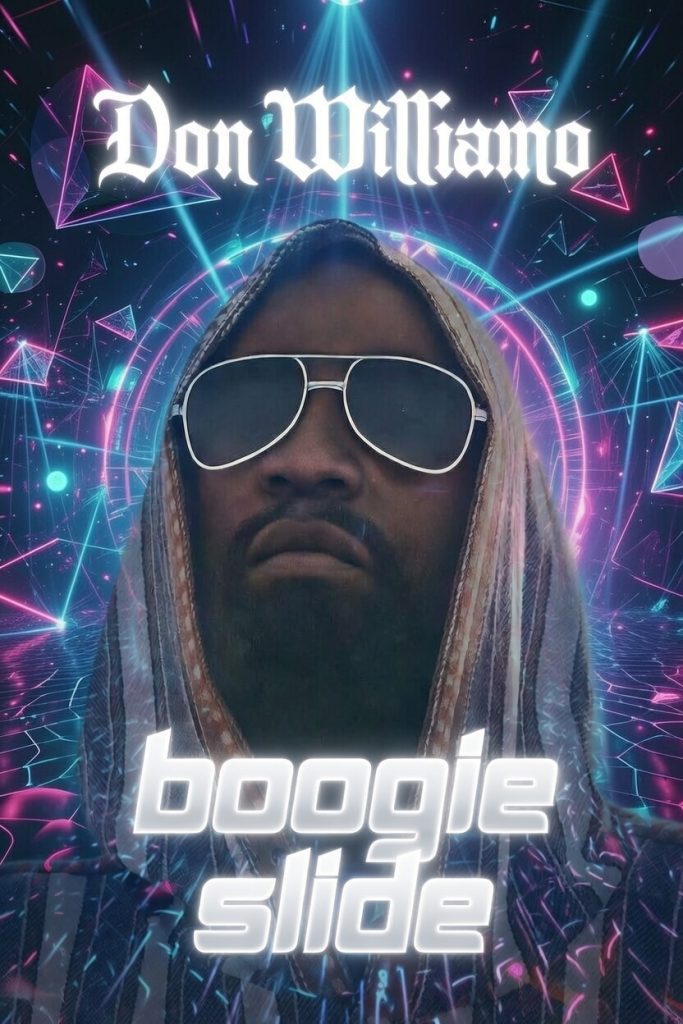
“Boogie Slide” is a high-energy dance track crafted for a global audience that thrives on rhythm, movement, and repeat listening. With a runtime of 2 minutes and 48 seconds, the track is optimized for modern consumption patterns, where shorter, engaging compositions tend to perform well across streaming platforms and social media integrations.
Track Credits
- Primary Artist: Don Williano
- Composer: Willie Joe Cotton, Willie Joe Stinson, Maurice DeFalco Stuckey
- Lyricist: Willie Joe Cotton, Willie Joe Stinson, Maurice DeFalco Stuckey
- Producer: Willie Joe Stinson, Maurice DeFalco Stuckey
- Performer: Don Williano
Release Details
- Format: Single (1 Track)
- Duration: 2 minutes 48 seconds
- Genre: Dance
- Target Audience: Dance music listeners, DJs, club audiences, and digital streaming users
The release strategy for “Boogie Slide” was not limited to distribution alone. The objective was to ensure that the track had a verified digital identity, making it easier to establish ownership, track attribution, and build long-term value.
Industry Context: Why Verification Matters More Than Ever
Before diving into the implementation, it is important to understand the broader industry context.
The rise of independent music distribution has democratized access but also fragmented the ecosystem. Artists now upload their work to multiple platforms, each with its own system of tracking streams, credits, and metadata. Unfortunately, these systems are not always synchronized or reliable.
Key industry problems include:
- Lack of a universal verification system
- Metadata inconsistencies across platforms
- Difficulty in proving ownership during disputes
- Limited transparency in streaming data
- Increased risk of unauthorized usage or duplication
In this fragmented environment, a music certification platform acts as a centralized layer of trust—ensuring that every release has a verifiable and immutable record.
You May Also Like This – The Unstoppable 56K Strategy for Independent Dance Artists
The Challenge Before Using a Music Certification Platform

Before integrating with a music certification platform, “Boogie Slide” faced several critical challenges that are common across independent releases.
1. Absence of Verified Ownership
Although the track had clearly defined contributors, there was no single source of truth that could verify ownership across all platforms. This created potential risks in case of disputes or licensing opportunities.
2. Fragmented Metadata
Metadata such as composer credits, lyricist details, and production information can often vary between platforms. Even small inconsistencies can lead to attribution errors or missed royalties.
3. Limited Trust in Distribution Channels
Traditional distribution platforms focus on delivery rather than verification. While they ensure the track reaches streaming services, they do not provide a tamper-proof certification of authenticity.
4. Risk of Unauthorized Use
Without a blockchain-backed record, it becomes difficult to prevent or challenge unauthorized usage, duplication, or misrepresentation of the track.
5. Lack of Transparent Proof for Stakeholders
Collaborators, distributors, and licensing partners often require proof of ownership and authenticity. Without a verified certification, establishing trust becomes more complex.
The Solution: Adopting a Music Certification Platform
To address these challenges, “Boogie Slide” was onboarded onto a music certification platform designed to provide blockchain-based verification, metadata validation, and transparent ownership records.
This approach transformed the track from a standard digital release into a verifiable digital asset.
Core Features Utilized
1. Blockchain-Based Certification
The track was registered on a blockchain network, ensuring that its certification record is immutable. Once recorded, the data cannot be altered, deleted, or manipulated.
This provides long-term security and reliability for ownership verification.
2. Verified Ownership Attribution
All contributors—including composers, lyricists, and producers—were linked to the track through a structured metadata framework. This ensures that every stakeholder receives proper recognition.
3. Metadata Validation System
Before certification, all metadata was reviewed and validated. This step ensures consistency across platforms and reduces the risk of errors that could affect attribution or royalties.
4. Public Verification Capability
The certification record is accessible for verification, allowing third parties to confirm the authenticity of the track without relying on intermediaries.
5. Tamper-Proof Digital Record
The platform creates a permanent record of the track’s existence, ownership, and certification status. This record acts as a digital proof that can be used in legal, commercial, and distribution contexts.
Also Read – How to Promote Your Music Independently in 2026
Implementation Process
The certification of “Boogie Slide” followed a structured and methodical process designed to ensure accuracy, transparency, and security.
Step 1: Track Submission
The final version of the track, along with all associated metadata, was submitted to the music certification platform. This included detailed contributor information and release specifications.
Step 2: Metadata Structuring and Validation
All credits were organized into a standardized format. The platform verified the accuracy of:
- Artist name
- Composer details
- Lyricist information
- Producer credits
This step is crucial for ensuring consistency across all future uses of the track.
Step 3: Blockchain Registration
Once validated, the track was registered on the blockchain. This generated a unique identifier associated with the track, serving as a permanent record of its certification.
Step 4: Certification Issuance
A digital certificate was issued, confirming the authenticity and ownership of the track. This certificate acts as proof that the track has been verified through the platform.
Step 5: Public Verification Enablement
The certification record was made accessible for verification. This allows stakeholders to independently confirm the track’s authenticity without relying on centralized authorities.
Measurable Outcomes
The adoption of a music certification platform resulted in several measurable and strategic outcomes for “Boogie Slide.”
1. 100% Verified Ownership
All contributors were permanently recorded within the certification system. This eliminates ambiguity and reduces the risk of disputes.
2. Immutable Certification Record
The blockchain-based certification ensures that the record cannot be altered, providing long-term reliability and trust.
3. Improved Credibility
The track gained increased credibility among collaborators, distributors, and potential licensing partners. Verified certification acts as a signal of professionalism and authenticity.
4. Enhanced Transparency
All metadata and ownership details are clearly documented and accessible, improving transparency for all stakeholders.
5. Future-Proof Monetization
With verified ownership in place, the track is better positioned for future monetization opportunities such as licensing, synchronization, and partnerships.
Strategic Advantages for Dance Music Releases
Dance music operates in a fast-paced environment where tracks are quickly distributed, remixed, and shared across platforms. In such a landscape, maintaining control over ownership and attribution is critical.
Using a music certification platform provides several advantages:
- Ensures authenticity in high-volume distribution environments
- Protects intellectual property in remix and DJ ecosystems
- Builds trust with curators and playlist managers
- Supports long-term brand development for the artist
Comparison with Traditional Distribution Models
Traditional music distribution platforms primarily focus on delivering tracks to streaming services. While they are essential for reach, they do not address verification challenges.
Traditional Distribution
- Focus on delivery
- Limited metadata validation
- No immutable certification
- Dependent on platform-specific data
Music Certification Platform
- Focus on verification and trust
- Standardized metadata validation
- Blockchain-backed certification
- Independent and transparent records
This distinction highlights why certification platforms are becoming increasingly important in the digital music ecosystem.
Why a Music Certification Platform Is Essential for Independent Artists
Independent artists often operate without the support systems available to major labels. This makes it essential to adopt tools that provide:
- Verified proof of ownership
- Transparent contributor attribution
- Protection against unauthorized usage
- Increased trust among industry stakeholders
A music certification platform enables artists to establish a professional foundation, ensuring that their work is protected and recognized.
Long-Term Impact on Artist Growth

For Don Williano, the certification of “Boogie Slide” represents more than just a single release. It establishes a framework for future projects, ensuring that every track is backed by verified data and ownership records.
This approach supports:
- Scalable music production
- Stronger industry relationships
- Improved monetization opportunities
- Enhanced brand credibility
Frequently Asked Question
What is a music certification platform?
A platform that verifies ownership, metadata, and authenticity of music using secure and tamper-proof technology.
Why did “Boogie Slide” need certification?
To ensure verified ownership, accurate credits, and prevent disputes or unauthorized use across platforms.
Conclusion
The case of “Boogie Slide” demonstrates how a music certification platform can transform a standard music release into a verified digital asset. By addressing challenges related to ownership, transparency, and trust, the platform provides a comprehensive solution for independent artists.
As the music industry continues to evolve, verification and certification will play an increasingly important role. Artists who adopt these technologies early will be better positioned to protect their work, build credibility, and unlock new opportunities.
For independent creators looking to establish a strong and sustainable presence in the digital music ecosystem, leveraging a music certification platform is no longer optional—it is a strategic necessity.