

Table of Contents
Who Is the Best Selling Recording Artist of All Time?
The best selling recording artist of all time is widely considered to be The Beatles, with estimated global record sales exceeding 500 million units. Their dominance spans decades, driven by groundbreaking music, global appeal, and unmatched cultural influence.
While modern streaming has reshaped the industry, no artist has yet surpassed their total certified sales across physical and digital formats, making them the highest selling artists of all time.
Quick Overview of Top Selling Artists
| Artist | Estimated Sales | Genre | Era |
|---|---|---|---|
| The Beatles | 500M+ | Rock / Pop | 1960s–1970 |
| Michael Jackson | 400M+ | Pop | 1970s–2000s |
| Elvis Presley | 400M+ | Rock & Roll | 1950s–1970s |
| Madonna | 300M+ | Pop | 1980s–Present |
| Elton John | 300M+ | Pop / Rock | 1970s–Present |
This snapshot answers the core query instantly while setting the stage for a deeper breakdown of the best selling music artists of all time.
Top 10 Best Selling Music Artists of All Time
#1 The Beatles (Highest Selling Artists Ever)

Estimated Sales: 500M+ records
The Beatles revolutionized the music industry with timeless albums like Abbey Road and Sgt. Pepper’s Lonely Hearts Club Band. Their ability to blend innovation with mass appeal made them the best selling recording artist of all time.
Why they dominated:
- Pioneered modern pop and rock music
- Global fanbase before the digital era
- Massive physical album sales across decades
Cultural impact:
They didn’t just sell records—they reshaped music, fashion, and youth culture worldwide.
#2 Michael Jackson (Best Selling Singer of All Time)
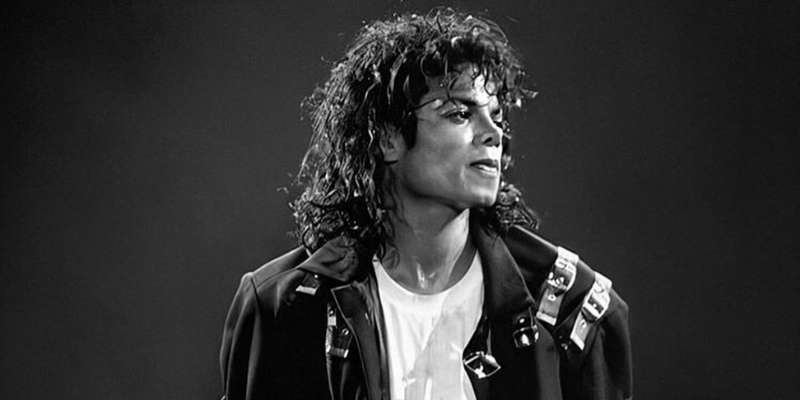
Estimated Sales: 400M+ records
Michael Jackson remains the best selling singer of all time, with unmatched global reach and influence.
Key highlight:
- Thriller — the top album ever sold (70M+ copies)
Why he dominated:
- Music videos revolution (MTV era)
- Cross-genre appeal (pop, R&B, dance)
- Global superstardom
Cultural impact:
Jackson set the blueprint for modern pop stardom and performance.
#3 Elvis Presley
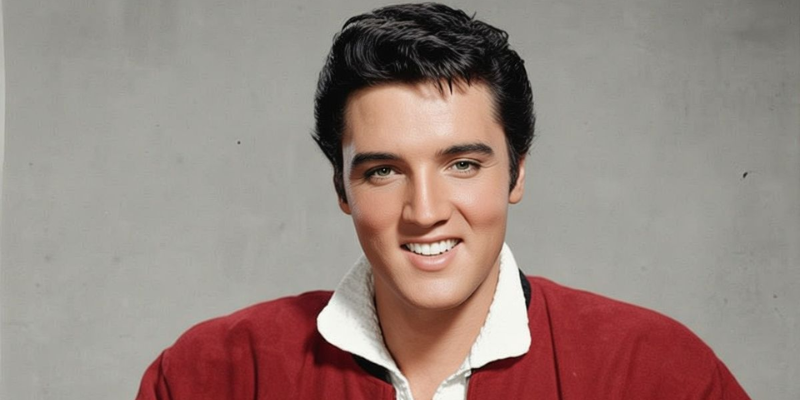
Estimated Sales: 400M+ records
Elvis Presley, often called the “King of Rock and Roll,” was one of the earliest global music icons.
Why he dominated:
- Early entry into mass media (radio, TV)
- Massive vinyl and single sales
- Cultural phenomenon in the 1950s–60s
Key albums:
- Elvis’ Christmas Album
- Blue Hawaii
#4 Madonna
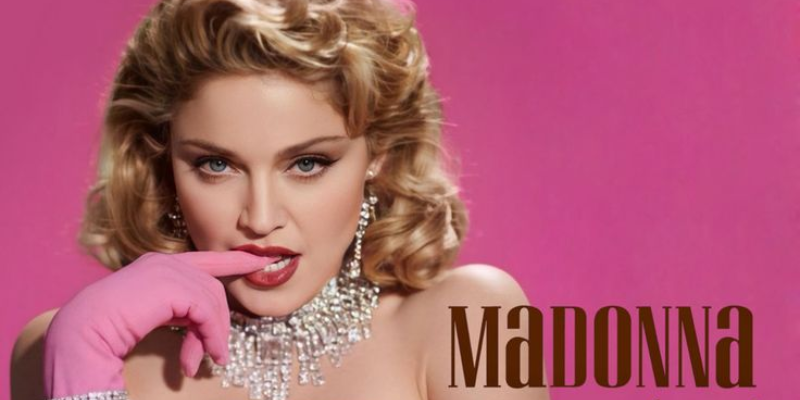
Estimated Sales: 300M+ records
Madonna is the best selling female artist of all time.
Why she dominated:
- Reinvention across decades
- Strong visual branding and controversy-driven marketing
- Global touring success
Key albums:
- Like a Virgin
- True Blue
#5 Elton John
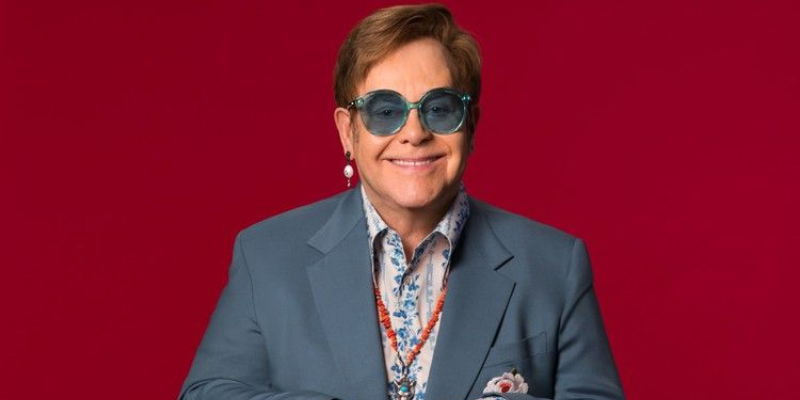
Estimated Sales: 300M+ records
Elton John has maintained commercial success for over five decades.
Why he dominated:
- Consistent hit-making ability
- Strong songwriting partnerships
- Massive global tours
Key albums:
- Goodbye Yellow Brick Road
- Greatest Hits
#6 Queen
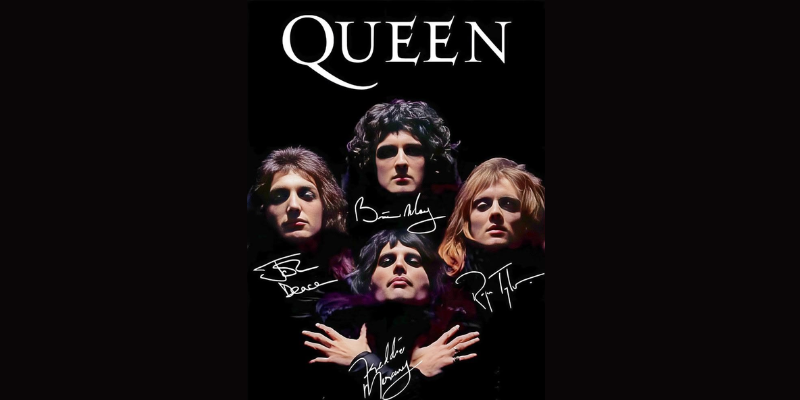
Estimated Sales: 300M+ records
Queen combined theatrical rock with global appeal.
Why they dominated:
- Iconic anthems like Bohemian Rhapsody
- Strong catalog longevity
- Renewed popularity through films and streaming
Key albums:
- A Night at the Opera
- Greatest Hits
#7 Led Zeppelin
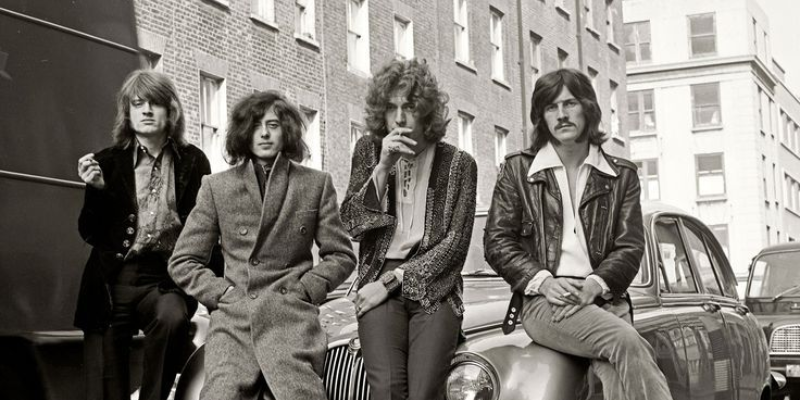
Estimated Sales: 300M+ records
Led Zeppelin defined hard rock and heavy metal foundations.
Why they dominated:
- Album-focused success (not just singles)
- Cult-like global fanbase
- Strong influence on rock music
Key albums:
- Led Zeppelin IV
- Physical Graffiti
#8 Rihanna
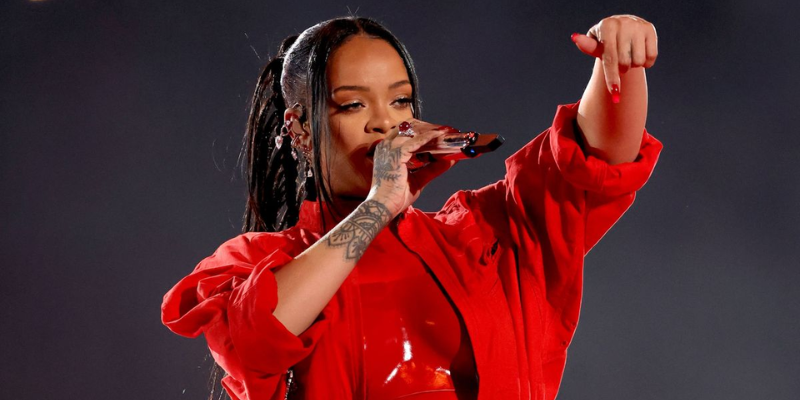
Estimated Sales: 250M+ records
Rihanna represents the modern era of digital and streaming dominance.
Why she dominated:
- Strong presence in digital downloads
- Consistent chart-topping singles
- Global appeal across genres
Key albums:
- Good Girl Gone Bad
- Anti
#9 Pink Floyd
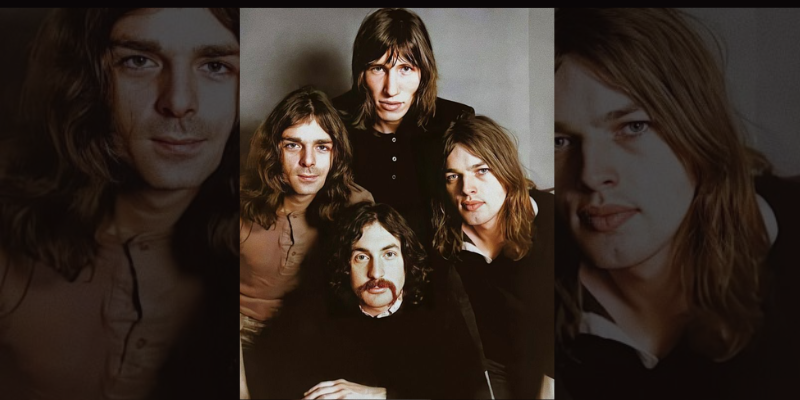
Estimated Sales: 250M+ records
Pink Floyd is known for concept albums and long-term sales performance.
Why they dominated:
- Album longevity over decades
- Strong fan loyalty
- Timeless music
Key albums:
- The Dark Side of the Moon
- The Wall
#10 Taylor Swift
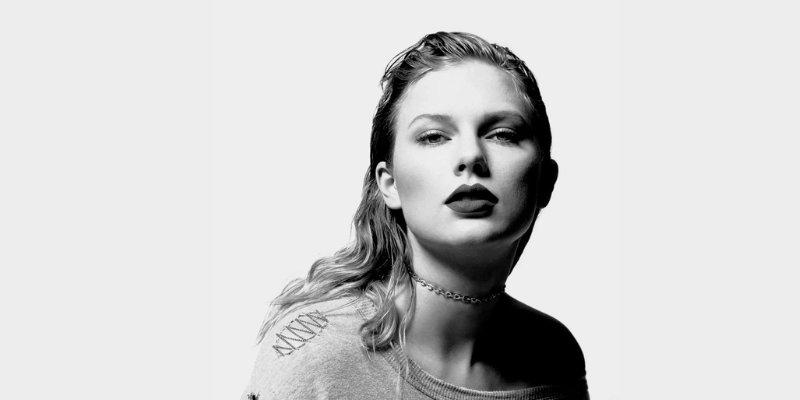
Estimated Sales: 200M+ records
Taylor Swift is one of the highest selling artists of all time in the modern era.
Why she dominates:
- Strong fan engagement
- Record-breaking album sales and streaming
- Strategic re-releases and ownership control
Key albums:
- 1989
- Midnights
Top Albums Ever Sold in History
Understanding the best selling music artists of all time is incomplete without looking at the albums that defined their success. These records didn’t just sell millions—they shaped the global music industry and continue to generate revenue decades after release.
Best Selling Albums of All Time
| Album | Artist | Sales |
|---|---|---|
| Thriller | Michael Jackson | 70M+ |
| Back in Black | AC/DC | 50M+ |
| The Dark Side of the Moon | Pink Floyd | 45M+ |
Thriller remains the benchmark for commercial success, holding the title of the top album ever sold globally. Its cross-genre appeal, iconic music videos, and global distribution strategy helped it reach unmatched numbers.
Back in Black by AC/DC showcases the power of rock music in physical sales, while The Dark Side of the Moon stands as a rare example of an album with continuous sales momentum over decades, thanks to its timeless appeal and loyal fanbase.
These albums highlight a key pattern: the highest selling records are not just popular at launch—they sustain relevance across generations.
Best Selling Artist vs Most Streamed Artist
The definition of success in music has changed dramatically. While the best selling recording artist of all time is determined by physical and digital sales, today’s industry increasingly measures popularity through streaming numbers.
Physical Sales vs Streaming Era
Before the rise of platforms like Spotify and Apple Music, success was driven by:
- Vinyl, cassette, and CD sales
- Retail distribution
- Radio airplay
This is why legacy artists like The Beatles, Elvis Presley, and Michael Jackson dominate the list of highest selling artists of all time.
In contrast, modern success is defined by:
- Streaming volume (billions of plays)
- Digital downloads
- Platform algorithms and playlists
Most Streamed Artists Today
Artists like Drake, Bad Bunny, and Taylor Swift dominate streaming platforms globally.
However, there is a critical difference:
- Streaming counts are fractional compared to album sales
- Millions of streams equal only a small number of “album-equivalent” units
- Older artists benefited from a purchase-driven model, not a consumption model
Why Older Artists Still Dominate Sales
- Fewer competitors in earlier decades
- Higher value per purchase (full album vs single stream)
- Long-term physical distribution worldwide
This explains why the best selling record artist of all time is still rooted in the pre-streaming era, even though modern artists dominate cultural conversations today.
Best Selling Singer of All Time (Solo Artists)
While bands dominate overall record sales, solo performers have achieved extraordinary commercial success and global influence.
Michael Jackson
Estimated Sales: 400M+ records
Widely regarded as the best selling singer of all time, Michael Jackson combined innovation, performance, and global appeal. His album Thriller remains the highest selling album ever, reinforcing his unmatched commercial legacy.
Madonna
Estimated Sales: 300M+ records
Madonna is the best selling female artist in history. Her ability to reinvent her image and sound across decades allowed her to stay commercially relevant in multiple eras.
Rihanna
Estimated Sales: 250M+ records
Rihanna represents the transition into the digital era. Her dominance in singles sales and streaming platforms makes her one of the highest selling artists of all time among modern performers.
Taylor Swift
Estimated Sales: 200M+ records
Taylor Swift has redefined modern music success by combining strong album sales with streaming dominance. Her strategic control over her catalog and consistent releases have made her one of the most commercially successful artists of the 21st century.
Highest Selling Artists of All Time by Genre
Looking at the highest selling artists of all time through a genre-specific lens provides deeper insight into how different styles of music have shaped global consumption. Each genre has its own dominant figure who not only achieved massive sales but also defined the sound of their era.
Rock: The Beatles
Estimated Sales: 500M+ records
Rock music’s global expansion is largely credited to The Beatles. Their influence extended beyond music into culture, fashion, and youth identity. Their catalog continues to sell across generations, making them the highest selling artists of all time in any genre.
Pop: Michael Jackson
Estimated Sales: 400M+ records
Michael Jackson transformed pop music into a global phenomenon. With record-breaking albums and groundbreaking visuals, he set the commercial standard for pop artists worldwide.
Hip-Hop: Eminem
Estimated Sales: 220M+ records
Eminem is the best selling hip-hop artist of all time. His lyrical skill, controversy, and crossover appeal helped bring rap music into mainstream global markets, significantly boosting its commercial viability.
Country: Garth Brooks
Estimated Sales: 170M+ records
Garth Brooks revolutionized country music sales, particularly in the United States. His ability to blend traditional country with arena-style performances brought the genre to a wider audience.
This genre-based breakdown expands the scope of highest selling artists of all time while strengthening topical authority across multiple music categories.
How Record Sales Are Calculated
Understanding how artists achieve “best selling” status requires clarity on how record sales are measured. This is a critical factor in evaluating the best selling recording artist of all time and ensures transparency in rankings.
Physical Sales
Physical formats include:
- Vinyl records
- Cassette tapes
- CDs
These were the primary drivers of revenue before the digital era. Each unit sold counted as a full album purchase, which is why legacy artists dominate total sales figures.
Digital Downloads
With the rise of platforms like iTunes, music consumption shifted toward:
- Paid song downloads
- Full album purchases online
Unlike streaming, digital downloads still count as direct ownership, contributing significantly to an artist’s total sales. This includes releases across EPs, Singles, albums, which collectively build an artist’s commercial performance.
Streaming Equivalents
Modern music consumption is largely driven by streaming. However, streams are converted into “album-equivalent units” using industry formulas.
For example:
- A certain number of streams = 1 album sale
- Paid subscriptions carry more weight than free streams
This hybrid system allows newer artists to compete in sales rankings, though it still favors high-volume consumption over direct purchases.
Certification & Verification
Organizations verify sales through certifications such as Gold, Platinum, and Diamond records. Today, digital infrastructure is evolving with advanced systems like a song certification platform, ensuring more accurate tracking and validation of music ownership and performance.
The Future of Music Sales: Blockchain & Transparency
As the music industry evolves, traditional sales tracking methods are being challenged by new technologies. One of the most transformative developments is the integration of blockchain into music distribution and rights management.
Smart Contracts and Automated Royalties
Blockchain introduces smart contracts, which automatically execute agreements when predefined conditions are met. For artists, this means:
- Instant royalty distribution
- No intermediaries
- Reduced payment delays
This creates a more efficient and fair ecosystem for creators.
Blockchain Music Licensing Platform
A blockchain music licensing platform enables:
- Transparent ownership records
- Immutable transaction history
- Direct artist-to-consumer interactions
This eliminates disputes over rights and ensures that artists are properly credited and compensated.
Royalty Transparency
One of the biggest challenges in the music industry has been unclear royalty distribution. Blockchain solves this by:
- Recording every transaction publicly
- Allowing artists to track earnings in real time
- Ensuring accurate revenue splits
Ownership Verification
With blockchain, every song can have a unique, verifiable identity. This ensures:
- Proof of ownership
- Protection against unauthorized use
- Better monetization opportunities
The shift toward blockchain is not just a technological upgrade—it represents a fundamental change in how music value is created, tracked, and distributed. For emerging artists and platforms, this opens the door to a more transparent and equitable future, positioning them to compete with the highest selling artists of all time in entirely new ways.

Why New Artists Struggle to Become Best Sellers
Despite unprecedented access to global audiences, very few modern musicians reach the level of the best selling music artists of all time. The barriers today are different from the past, and in many ways, more complex.
Over-Saturation
The biggest challenge is volume. Thousands of new tracks are released every day across streaming platforms, making it extremely difficult for any single artist to stand out. Unlike earlier decades—when fewer artists competed for attention—today’s creators face an overcrowded marketplace where visibility is limited.
Discovery Issues
Even with high-quality music, discovery remains a major bottleneck. Platforms rely heavily on recommendation systems, playlists, and engagement metrics. If an artist fails to gain early traction, their music often remains buried.
This is why having strong entry points matters. Creating good intro songs can significantly improve listener retention and increase the chances of being picked up by algorithms and playlists.
Algorithm Dependency
Modern success is increasingly controlled by platform algorithms. Artists must now optimize for:
- Listener retention
- Skip rates
- Engagement signals
This creates a system where creativity is often influenced by data rather than pure artistic direction. While this model benefits viral hits, it makes long-term, album-driven success—like that of The Beatles or Pink Floyd—far more difficult to achieve.
These factors explain why reaching the level of the highest selling artists of all time is significantly harder in today’s music ecosystem.
FAQs
Who is the #1 best selling artist of all time?
The #1 best selling recording artist of all time is widely recognized as The Beatles, with estimated global sales exceeding 500 million records. Their dominance comes from massive physical album sales and long-term global influence.
Which album sold the most copies ever?
The album that sold the most copies in history is Thriller by Michael Jackson, with over 70 million units sold worldwide. It remains the benchmark for commercial music success.
Who is the best selling female artist?
Madonna is the best selling female artist of all time, with estimated sales exceeding 300 million records. Her longevity and ability to reinvent her music have kept her commercially successful across multiple decades.
Who is the highest selling artist in 2026?
In the modern era, artists like Taylor Swift and Drake dominate global charts through a combination of streaming, digital sales, and strong fan engagement. However, in terms of total lifetime sales, legacy artists still lead.
What counts as a record sale today?
Today, a record sale includes a combination of physical album purchases, digital downloads, and streaming equivalents. Streaming platforms convert plays into album-equivalent units, allowing modern artists to compete with traditional sales figures, though the valuation differs significantly from physical purchases.
Final Thoughts: Who Truly Dominates Music History?
When evaluating the best selling music artists of all time, one name consistently stands above the rest: The Beatles. Their unmatched sales, cultural influence, and timeless catalog have secured their position as the highest selling artists of all time.
However, the music industry continues to evolve. From vinyl records to digital downloads and now streaming—and even blockchain-driven systems—the definition of success is constantly changing. While legacy artists dominate total sales, modern musicians are redefining reach, engagement, and monetization in new ways.
For artists looking to succeed in this evolving landscape, understanding both traditional sales models and emerging technologies is essential.
If you’re an artist aiming to grow your music career, now is the time to explore platforms that offer transparency, ownership, and better monetization opportunities. Discover how modern tools can help you distribute, protect, and scale your music globally—and take the next step toward becoming one of the highest selling artists of the future.