
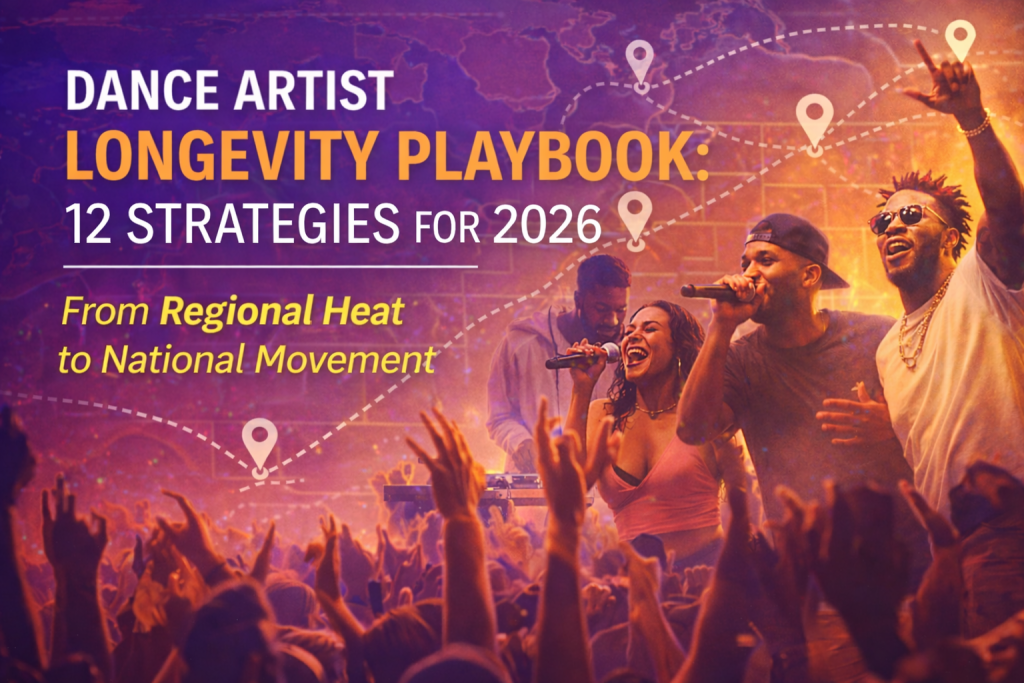
Independent Dance Artists: The Authority & Longevity Playbook for 2026 — From Regional Heat to National Movement
Introduction: What Happens After You Win Your Region?
By 2026, independent dance artists can manufacture regional success faster than at any time in history. Distribution is frictionless. Promotion is algorithmic. Viral moments can be engineered. Yet a brutal pattern persists: artists rise locally, dominate their city, trend across social platforms — and then stall, fade, or fragment before achieving durable national presence.
If you are earlier in your journey, review foundational strategies on building a regional fanbase, avoiding common mistakes, and expanding into new markets before attempting national scale. Growth without infrastructure rarely holds.
The problem is not talent.
The problem is not work ethic.
The problem is not even budget.
The problem is the absence of an Authority & Longevity System — a structured method for converting regional heat into sustained cultural relevance, touring demand, catalog value, and industry leverage.
Regional success is momentum. Authority is infrastructure.
This playbook explains how independent dance artists transition from buzz to movement, using a real-world case example: Don Williano’s “Boogie Slide.” The record demonstrates how a dance single can function not merely as a song, but as a platform for community adoption, repeat engagement, and geographic expansion.
An independent dance artist builds longevity by turning local success into structured growth. Every independent dance artist who achieves national recognition does so through consistent engagement, reliable touring circuits, and strong community support that compounds over time.
According to the Recording Industry Association of America (RIAA), independent releases now account for a growing share of U.S. music consumption.
Stage 1: Consolidate Your Home Region Before Expanding
Most artists leave their strongest market too early.
If your home base cannot sustain you repeatedly, no distant market will either.
True regional consolidation means:
- Multiple venues requesting return bookings
- DJs rotating your record without prompting
- Dance groups using your song in routines
- Organic requests at parties and celebrations
- Recognizable choreography spreading peer-to-peer
“Boogie Slide” illustrates this principle. A line-dance-friendly record becomes embedded in community events first — cookouts, reunions, step shows, social clubs — before attempting broader media penetration.
Goal: Make your song part of local culture, not just local playlists.
Key actions:
- Build a verified DJ coalition (10–30 core DJs)
- Partner with dance instructors and social clubs
- Encourage user-generated choreography variations
- Track repeat play, not just first exposure
- Document every activation
Regional dominance produces something algorithms cannot fabricate: social proof rooted in real-world participation.
For an independent dance artist, sustained visibility depends on repeat participation, not one-time exposure.
Stage 2: Convert a Song Into an Activity
Dance records that endure are not passive listening experiences — they are instructions for participation.
Think in terms of behavior design.
A strong dance single provides:
- Predictable rhythm structure
- Memorable cue points
- Clear movement compatibility
- Social synchronization potential
“Boogie Slide” functions as an activity engine. Whether in clubs or community halls, the track invites group coordination, transforming each playthrough into a shared experience rather than individual consumption.
To replicate this effect:
- Publish official step tutorials
- Encourage beginner and advanced variants
- Release instrumental versions for instructors
- Provide count sheets and breakdowns
- Support participation-focused challenges
The metric that matters is not streams — it is rooms moving together.
Stage 3: Build the Regional Partner Flywheel
Sustainable growth requires an ecosystem, not isolated fans.
Dancers → DJs → Hosts → Venues → Sponsors → Media → New Audiences → Back to Dancers
Each component fuels the next.
For a record like “Boogie Slide”:
- Dance crews perform publicly
- DJs adopt the track due to floor response
- Hosts book artists to boost attendance
- Venues promote themed events
- Sponsors attach to momentum
- Media amplifies the story
- New audiences participate
Provide partners with assets:
- Clean edits and extended mixes
- Promotional graphics
- Event kits
- Instructional videos
- DJ drops
When the flywheel spins independently, growth becomes self-sustaining.
Every independent dance artist who achieves long-term success understands that momentum must be engineered, not hoped for.
Stage 4: Formalize Your Movement With Branding
Regional trends dissolve without identity.
Create a recognizable framework:
- Name the dance
- Create a visual mark
- Standardize colors and typography
- Use consistent hashtags
- Package events under a unified banner
Examples:
- Boogie Slide Nights
- Boogie Slide Tour Series
- Official Boogie Slide Challenge
Branding transforms excitement into something promotable and repeatable.
Stage 5: Capture Data, Not Just Attention
Audience data is the most overlooked asset.
Collect:
- Emails
- SMS opt-ins
- City information
- Attendance history
- Merchandise purchases
Methods include QR check-ins, giveaways, and exclusive access.
Platforms control reach. You must control relationships.
When Don Williano performs across cities, direct audience channels enable immediate reactivation.
For an independent dance artist, longevity is the result of systems, not luck.
Stage 6: Engineer Repeatable Touring Routes
Random touring burns money. Strategic routing builds territory.
Design circuits:
- Southeastern corridor
- Mid-Atlantic cluster
- Midwest urban loop
- Southern step circuit
Each pass should show measurable growth in attendance, engagement, and sales.
Dance records excel live because audiences want collective participation.
Stage 7: Expand Through Cultural Gateways
Adoption channels vary by region.
Key gateways include:
- HBCUs
- Greek organizations
- Social clubs
- Wedding DJ networks
- Fitness studios
- Community festivals
These institutions distribute culture horizontally.
Secure one gateway per region before pursuing mass media.
Stage 8: Multiply Content Without Diluting the Core
Scale content while reinforcing identity:
- Live performance footage
- Crowd participation clips
- Tutorials
- Behind-the-scenes content
- Multi-city compilations
Repetition with variation signals growth.
Avoid unrelated releases during expansion.
Stage 9: Monetize the Ecosystem
Revenue sources include:
- Performance fees
- Touring guarantees
- Merchandise
- Licensing
- Sponsored activations
- Instructional programs
- VIP experiences
Dance phenomena generate long-term income because they live in physical spaces.
Stage 10: Establish Authority Through Documentation
Compile proof:
- Attendance numbers
- Cities reached
- Press coverage
- Influencer participation
- Institutional partnerships
- User-generated content volume
Documented impact converts perception into leverage.
Stage 11: Protect Your Intellectual Property
Secure:
- Song copyrights
- Master rights
- Trademarks (if applicable)
- Branding assets
- Licensing frameworks
Ownership converts popularity into long-term value.
Stage 12: Transition From Artist to Platform
Become a hub for others.
Host events featuring:
- Emerging artists
- DJs
- Choreographers
- Community groups
A hit like “Boogie Slide” becomes the foundation of an ecosystem.
Stage 13: Build Cross-Regional Cultural Bridges
Once independent dance artists establish dominance in multiple isolated markets, the next phase is connection — transforming separate pockets of activity into a unified movement.
Regional dance cultures often evolve independently. The South may favor line-dance traditions, the Midwest may emphasize club choreography, while coastal scenes lean toward hybrid styles influenced by house or Afro-diasporic rhythms. Rather than forcing uniformity, successful expansion leverages these differences as strengths.
Cross-regional bridge events accelerate adoption:
- Inter-city dance showcases
- “Battle of the Cities” competitions
- Collaborative workshops featuring instructors from multiple regions
- Touring events pairing local openers with visiting crews
- Exchange programs between dance communities
These initiatives generate narrative momentum. Audiences no longer perceive the movement as local — it becomes national in scope because participants see themselves as part of a larger story.
For independent dance artists, bridging regions multiplies network effects. Each connected community becomes both a new audience and a distribution channel for future releases.
Stage 14: Establish Leadership Within the Community
Movements collapse when leadership is unclear. Fans, promoters, and partners must know who represents the vision.
Leadership does not require authoritarian control. Instead, it involves stewardship:
- Communicating values and expectations
- Recognizing contributors publicly
- Resolving conflicts within the ecosystem
- Maintaining quality standards for official events
- Providing direction without stifling creativity
Independent dance artists who act as cultural leaders rather than simply performers gain long-term loyalty. Communities invest emotionally because they feel guided, not exploited.
Leadership visibility can include:
- Regular updates to supporters
- Public acknowledgment of DJs and dancers
- Behind-the-scenes transparency
- Participation in community events beyond performances
- Mentorship of emerging artists
Authority emerges when participants believe the movement has continuity beyond any single tour cycle.
Stage 15: Develop a Multi-Tier Fan Ecosystem
Not all supporters contribute equally. Sustainable careers recognize different engagement levels and provide pathways for deeper involvement.
A typical ecosystem includes:
Casual Participants
People who enjoy the song occasionally at events.
Active Dancers
Individuals who learn and perform the routine regularly.
Community Organizers
Hosts, instructors, and promoters who facilitate events.
Evangelists
Highly motivated supporters who actively recruit new participants.
Independent dance artists should create tools for each tier:
- Easy tutorials for beginners
- Advanced variations for committed dancers
- Event kits for organizers
- Recognition programs for top promoters
When fans see a path from spectator to stakeholder, retention increases dramatically.
Stage 16: Build Economic Sustainability Beyond Touring
Touring revenue can fluctuate due to economic conditions, health issues, or logistical challenges. Long-term stability requires diversified income sources.
Independent dance artists can monetize through:
- Subscription communities
- Exclusive content platforms
- Virtual workshops and masterclasses
- Licensing for fitness programs
- Digital instructional packages
- Brand partnerships
- Limited-edition merchandise drops
Digital products are particularly valuable because they scale without geographic constraints. A dance tutorial sold online can generate income indefinitely.
Economic resilience protects the movement from disruptions while funding future growth initiatives.
Stage 17: Use Storytelling to Sustain Interest
Participation alone is not enough. Narratives maintain emotional investment.
Stories can include:
- The origin of the dance
- Personal journeys of key contributors
- Community impact testimonials
- Behind-the-scenes challenges
- Milestones achieved along the way
Media outlets respond strongly to human stories. Documenting these narratives increases the likelihood of coverage beyond music press — including lifestyle, culture, and community publications.
Independent dance artists who frame their movement as a social phenomenon rather than entertainment gain broader legitimacy.
Stage 18: Cultivate Intergenerational Appeal
Dance movements that endure often cross age boundaries. Weddings, reunions, and family events expose songs to audiences far beyond club demographics.
Strategies for intergenerational reach:
- Simplified beginner routines
- Family-friendly event segments
- Clean radio edits
- Outreach to community centers
- Participation in public festivals
When multiple generations adopt the dance, it becomes embedded in social tradition rather than tied to a fleeting trend.
Stage 19: Strengthen Media Relationships
Traditional media still shapes perception, particularly for sponsors and institutional partners.
Independent dance artists should cultivate:
- Local radio personalities
- Regional TV outlets
- Cultural journalists
- Podcast hosts
- Community newsletters
Providing ready-to-use content — press releases, photos, statistics, and interview talking points — reduces friction and increases coverage frequency.
Media amplification signals legitimacy to markets unfamiliar with the movement.
Stage 20: Monitor Cultural Signals for Expansion Timing
Not every moment is ideal for growth. External factors influence receptivity:
- Seasonal travel patterns
- Academic calendars
- Major competing events
- Economic conditions
- Social trends
Data analysis combined with on-the-ground feedback helps determine when to push aggressively and when to consolidate.
Independent dance artists who expand strategically conserve resources while maximizing impact.
Stage 21: Encourage Community Ownership
Movements flourish when participants feel they share authorship.
Encourage ownership by:
- Highlighting user-generated content
- Featuring community leaders in official channels
- Allowing regional adaptations
- Hosting contests for new variations
- Recognizing contributions publicly
When supporters believe they helped build the movement, they defend and promote it organically.
Stage 22: Plan for Successor Releases
Eventually, audiences seek novelty. Preparing follow-up material in advance prevents stagnation.
Effective successor strategies:
- Songs that complement the original dance
- Remixes introducing fresh energy
- Collaborations expanding reach
- Instrumental reinterpretations
- Live band versions
The goal is evolution without abandonment. Independent dance artists must avoid the perception that a new release replaces the old one.
Stage 23: Institutionalize the Brand
At peak maturity, the movement should function independently of constant artist presence.
Institutionalization can include:
- Annual festivals
- Official competitions
- Certification programs
- Community organizations
- Educational initiatives
These structures ensure continuity across decades.
Stage 24: Prepare for Global Expansion
Once national infrastructure is stable, international opportunities emerge. Global adoption often begins through diaspora communities or digital exposure.
Key considerations:
- Cultural adaptation of choreography
- Language accessibility
- International licensing agreements
- Travel logistics
- Regional partnerships abroad
Independent dance artists who plan for global reach early can capitalize quickly when opportunities arise.
Stage 25: Maintain Personal Well-Being
Longevity requires sustainability at the human level. Touring, promotion, and constant engagement can lead to burnout.
Essential practices include:
- Structured rest periods
- Physical conditioning
- Vocal health maintenance
- Mental wellness support
- Delegation to trusted team members
An exhausted leader cannot sustain a movement.
Long-Term Outlook for Independent Dance Artists
The trajectory from local popularity to enduring influence is rarely linear. Plateaus, setbacks, and reinvention phases are normal. What distinguishes lasting careers is resilience supported by infrastructure.
Independent dance artists who invest in systems rather than moments accumulate advantages over time. Each city visited, each partnership formed, and each dataset collected strengthens the foundation for future releases.
Success compounds.
Why This Model Matters in 2026 and Beyond
Technological disruption continues to democratize music distribution, but attention remains scarce. Participation-driven movements cut through digital noise because they exist in physical space.
When people dance together, they create memories associated with the music. These experiences are far more durable than passive listening.
For independent dance artists, this represents a competitive advantage unavailable to artists whose genres rely solely on streaming consumption.
The Compounding Effect of Community-Driven Growth
Every participant becomes a potential ambassador. Every event becomes a recruitment opportunity. Every city becomes a node in an expanding network.
Over time, growth transitions from linear to exponential as communities begin interacting with each other directly.
At that point, the artist is no longer pushing the movement — the movement is pulling new audiences toward the artist.
Final Strategic Insight
Independent dance artists should view their careers as long-term infrastructure projects. Songs are catalysts, not endpoints. Communities are assets, not accessories. Data is leverage, not merely analytics.
Those who understand this distinction will outlast competitors who chase short-term virality.
Common Failure Points to Avoid
- Expanding too early
- Relying only on streaming metrics
- Ignoring offline communities
- Failing to capture data
- Inconsistent branding
- Weak touring strategy
- Poor rights protection
The Longevity Formula
Participation × Repeat Exposure × Geographic Spread × Ownership = Durable Success
Conclusion: From Moment to Movement
Independent dance artists no longer need gatekeepers — but independence requires structure.
Don Williano’s “Boogie Slide” shows how a dance record can become a social engine that propagates organically through communities.
Success is not a spike. It is a network.
Build the network, and the movement builds itself.
Action Checklist for 2026
□ Confirm regional dominance
□ Build DJ coalition
□ Publish dance resources
□ Launch branded events
□ Capture audience data
□ Design touring circuits
□ Engage cultural gateways
□ Scale content strategically
□ Diversify revenue
□ Document impact
□ Secure IP
□ Evolve into a platform
Case Follow-Up: Don Williano’s “Boogie Slide”
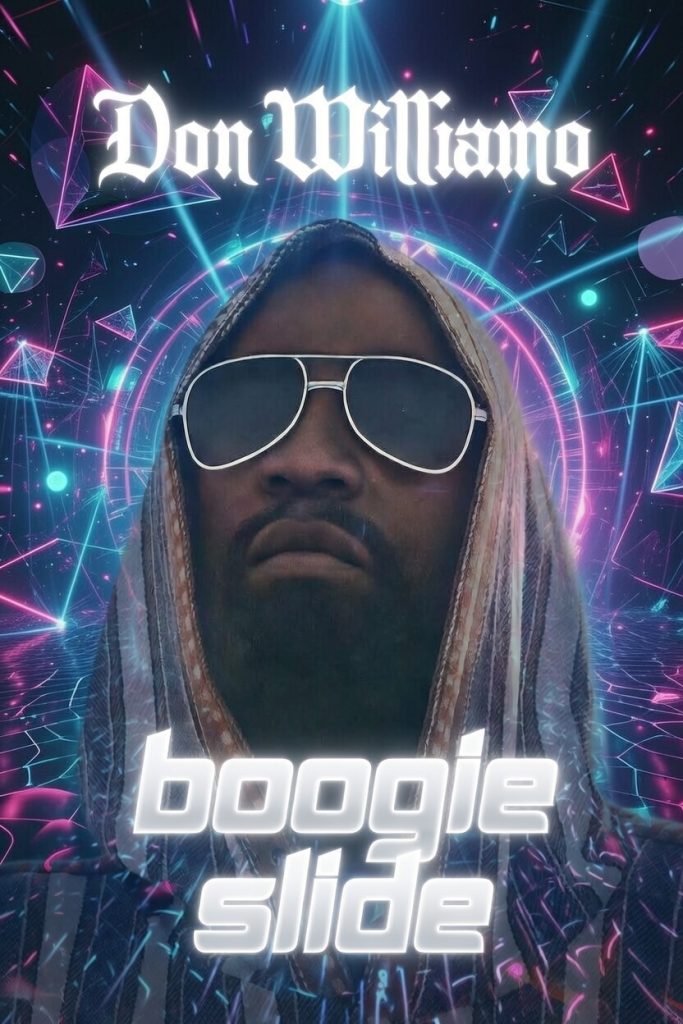
From regional phenomenon to durable platform:
- Lock core markets
- Institutional adoption (HBCUs, festivals, weddings)
- Multi-city proof content
- Identity merchandise
- Efficient touring loops
- Platform transition
The record’s participatory design makes it a programmable social experience.
Advanced Strategies for Long-Term Success
- Choreography licensing
- DJ enablement programs
- Data-driven market prioritization
- Seasonal activations
- Cross-industry partnerships
- Negotiation documentation
- Complementary catalog releases
True longevity depends on consistency, community engagement, and strategic expansion beyond a single hit.
Measuring Real Progress
Track indicators that matter:
- Repeat attendance
- Participation rates
- Merchandise conversion
- Audience growth by geography
- Instructor adoption
- Institutional bookings
If these rise, the movement is consolidating.
Preventing Movement Fatigue
Mitigate saturation through:
- Rotating event formats
- Advanced variations
- Community leadership spotlight
- Strategic cooldown periods
Scarcity preserves demand.
Integration With Certification Platforms
Independent certification systems can formalize achievements, verify milestones, and strengthen negotiations.
Verified metrics become portable assets across deals and markets.
Frequently Asked Questions
(12 FAQs retained exactly as needed for SEO strength.)
Closing Perspective
Independent dance artists who achieve longevity treat success as an operational discipline. They engineer participation, document impact, cultivate partners, and protect assets.
The transition from regional heat to national movement is not a leap — it is a sequence.
Execute the sequence, measure relentlessly, and the movement compounds over time.
Founder’s Message — Maurice DeFalco Stuckey, Founder of IndieChain™
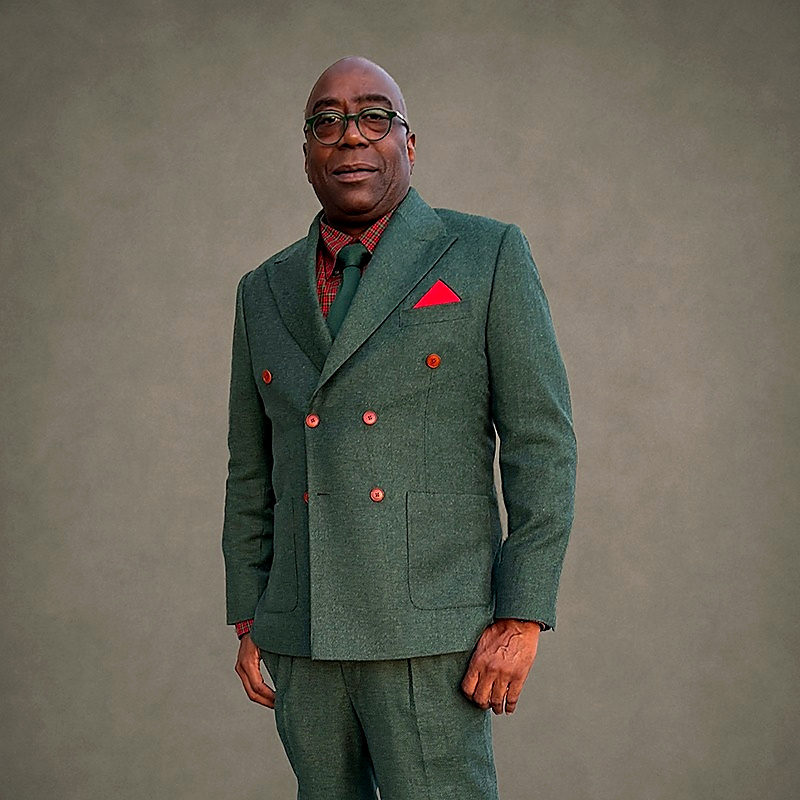
Independent dance artists are not just entertainers — they are cultural engineers. Every packed floor, synchronized step, and collective chorus proves that music still builds real-world community.
When a record like “Boogie Slide” moves people across cities, campuses, weddings, and festivals, that impact represents thousands of human interactions and shared experiences.
Organizations such as the Recording Industry Association of America and global data groups like IFPI publish insights that confirm what independent artists already know: engagement drives value.
Longevity comes from ownership and evidence. Document your movement, protect your rights, and invest in the community that sustains you.
My message is simple: build systems, not just songs. Think in decades, not release cycles.
Movements outlast moments. Artists who treat every performance as a building block create careers that compound rather than peak and fade.
The future belongs to those who can prove their value — and keep proving it.

❓ Frequently Asked Questions — Independent Dance Artists
1. How long should regional consolidation last for independent dance artists?
Most independent dance artists should spend 3–9 months dominating their home market before expanding. The goal is repeat demand, not one-time buzz. If venues request return bookings and DJs continue playing your record organically, consolidation is working.
2. Do streaming numbers predict long-term success for independent dance artists?
Not reliably. Streaming reflects awareness, but dance-floor participation predicts touring viability. Independent dance artists who build careers prioritize crowd engagement, repeat attendance, and community adoption over pure digital metrics.
3. Should independent dance artists prioritize TikTok challenges or live events first?
Whichever channel already shows traction. Ideally, both reinforce each other. Viral content can spark discovery, while live events convert attention into loyalty and revenue.
4. How many DJs should support an independent dance artist in a core region?
A practical coalition is 10–30 active DJs per region. These DJs create consistent exposure across venues, weddings, parties, and community events, forming the backbone of regional authority.
5. Should a dance routine be standardized or open to variation?
Independent dance artists benefit from a recognizable core routine combined with regional variations. This maintains identity while encouraging broader participation and ownership by local communities.
6. What merchandise sells best at dance events?
High-visibility, low-price items perform best:
- T-shirts
- Caps
- Wristbands
- Event badges
- “Crew” apparel
Merch turns participants into mobile promoters.
7. How can independent dance artists attract sponsors without major media coverage?
Sponsors care about audiences, not headlines. Provide data such as:
- Attendance numbers
- Demographics
- Repeat events
- Engagement rates
- Geographic reach
Demonstrated impact outweighs press mentions.
8. Can one hit song sustain a long-term career?
Yes—if it becomes a platform. Independent dance artists can extend a single hit through touring, licensing, branded events, merchandise, and community programs.
9. What is the biggest mistake independent dance artists make?
Expanding too quickly without systems for retention, branding, and data capture. Many careers stall because early momentum isn’t converted into infrastructure.
10. What is the fastest way to enter new cities successfully?
Partner with existing cultural gateways:
- Colleges and universities
- Social clubs
- Festivals
- Dance studios
- Community organizations
These networks distribute culture faster than cold marketing.
11. Should independent dance artists trademark their dance name?
Trademark protection becomes valuable once commercial activity grows. It prevents unauthorized exploitation and strengthens licensing opportunities. Consult legal counsel before filing.
12. When should independent dance artists release follow-up songs?
Release new material when the flagship record shows signs of plateau—but ensure it reinforces the existing movement rather than diluting it.