
Music has always been a powerful form of expression. Artists share stories, emotions, and social commentary through lyrics and sound. But sometimes, music contains themes or language that may not be suitable for younger audiences. That’s where the parent advisory label comes in.
The parental advisory warning is one of the most recognizable symbols in the music industry. If you have ever seen an album cover with a black-and-white parental advisory sticker, you probably know it indicates explicit content. However, many listeners and even artists don’t fully understand what the label means, when it should be used, or how it affects music distribution and streaming.
In today’s digital era, the parental advisory explicit content tag has become even more important. Streaming platforms, online stores, and music distributors rely on this label to inform listeners and help parents monitor what younger audiences are hearing. For independent artists, using the correct parent advisory label also ensures that their music complies with industry standards.
In this detailed guide, we’ll explain everything about parental advisory labels, including their history, when they are required, how artists apply them, and how they impact streaming success.
What Is a Parental Advisory Label?
A parent advisory label is a warning placed on music releases that contain explicit or mature content. It signals that the recording may include strong language, sexual references, violence, or other themes that may not be appropriate for children.
The parental advisory label typically appears as a black-and-white badge reading “Parental Advisory: Explicit Content.” This symbol can be seen on physical album covers, digital artwork, and music streaming platforms.
The purpose of the parental advisory sticker is not to censor music but to inform listeners and give parents the ability to decide what their children listen to.
In general, the explicit album label is used when songs contain:
- Strong profanity
- Sexual content
- References to drugs
- Graphic violence
- Offensive language
When such themes appear in a song, distributors and streaming platforms often require the use of a parent advisory label so audiences are aware of the content.
Over time, parental advisory labels have become a standard part of the music industry and are recognized globally by listeners and artists alike.
The History Behind the Parental Advisory Sticker
The story of the parental advisory sticker dates back to the 1980s, when concerns about explicit music lyrics sparked debate across the United States.
Music Industry Controversy in the 1980s
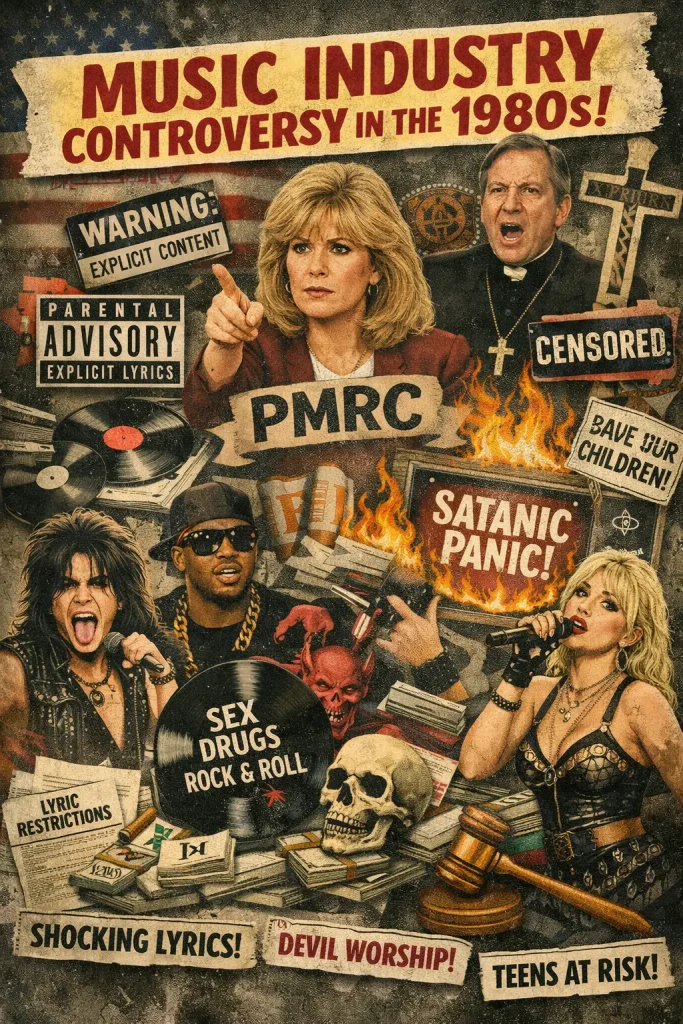
During the mid-1980s, several music releases containing explicit language and mature themes gained popularity. Some parents and political groups became concerned about the influence of such content on young listeners.
In response to these concerns, organizations began pushing for warnings on albums that contained advisory explicit content.
The controversy grew when certain songs were criticized for explicit lyrics. As a result, the music industry faced increasing pressure to provide clear warnings for listeners.
The Creation of the Parental Advisory Label
To address the debate, the recording industry introduced the parental advisory label in 1985. The goal was to give consumers more information about album content without banning or censoring music.
The original label appeared on album packaging and indicated that the recording included parental advisory explicit content.
Eventually, the black-and-white parental advisory sticker became the standard format used across the music industry.
How the Label Became a Global Standard
Over time, the parental advisory label expanded beyond physical albums and became widely used in digital music platforms.
Today, the explicit album label appears on:
- Streaming platforms
- Online music stores
- Digital album artwork
- Music videos and playlists
Because of its universal recognition, the parent advisory label now serves as a standard warning for explicit music across the world.
What Content Requires a Parental Advisory Explicit Content Label?
Not every song requires a parental advisory label, but certain types of content usually trigger the need for an explicit advisory warning.
Understanding when to use the parent advisory label is important for artists and distributors alike.
Explicit Language
One of the most common reasons for applying a parental advisory explicit content tag is the use of strong profanity.
Frequent use of explicit words or offensive language typically requires an explicit album label.
Sexual or Graphic Themes
Songs that contain detailed sexual references or explicit descriptions often receive parental advisory labels.
These warnings help listeners understand that the music may include mature themes.
Violence and Drug References
Lyrics describing violence, criminal activities, or drug use may also require an advisory explicit content label.
Such themes can be considered inappropriate for younger audiences, making the parent advisory label necessary.
Offensive or Hate Speech
Music that includes discriminatory or offensive language may also trigger the use of a parental advisory sticker.
While the parental advisory label does not censor the music, it helps audiences make informed choices about what they listen to.
How Artists Add a Parental Advisory Label to Their Music
For independent musicians and producers, understanding how to apply a parent advisory label is essential.
In most cases, artists add the parental advisory explicit content designation during the music distribution process.
Step 1: Review the Lyrics
Before releasing a song, artists should review the lyrics to determine whether they contain explicit advisory material.
If the track includes strong profanity or adult themes, it likely requires a parental advisory label.
Step 2: Select the Explicit Content Option
When uploading music through Digital music distribution, artists can mark a song as explicit. This ensures that the correct parental advisory label appears on streaming platforms.
Step 3: Upload Album Artwork
Many artists also add the classic parental advisory sticker to their album cover design. This visually signals that the project includes parental advisory explicit content.
Step 4: Distributor Verification
Once the release is submitted, the distributor reviews the metadata. If explicit language is detected, the parent advisory label is confirmed and applied.
This process ensures that songs with advisory explicit content are correctly labeled across streaming platforms.
How Streaming Platforms Use Parental Advisory Labels
Streaming services rely heavily on parental advisory labels to categorize and filter music.
When a song contains explicit advisory content, platforms mark the track as explicit and display the parental advisory sticker on the album page.
This helps listeners immediately recognize that the music includes mature themes.
Major streaming services also allow users to filter or restrict explicit content. Parents can disable explicit tracks in their account settings, which prevents songs with a parent advisory label from playing.
Another reason the parental advisory label matters on streaming platforms is discoverability.
For example, artists who understand how streaming algorithms work—including factors like Spotify Pay Per Stream—can optimize their releases and audience reach while still using the correct parent advisory explicit content tagging.
In this way, the parent advisory label helps maintain transparency while allowing artists to share authentic music.
Does the Parental Advisory Label Affect Music Success?
Many new artists worry that adding a parent advisory label could limit their music’s success. However, the reality is quite different.
Some of the most successful albums in music history carry the parental advisory sticker.
Impact on Streaming
In the streaming era, listeners have access to a wide variety of music, including songs with explicit advisory tags. Many audiences are comfortable with explicit lyrics, which means the parent advisory label rarely prevents a song from gaining popularity.
Impact on Radio Play
While radio stations may prefer clean versions of songs, artists can release both explicit and edited versions. The explicit album label simply helps platforms identify which version contains parental advisory explicit content.
Marketing and Artist Branding
Interestingly, the parental advisory label has also become a cultural icon. Some artists view the parent advisory label as part of their creative identity.
Despite the warning, many albums with parental advisory labels have achieved massive success, including earning Digital Gold and Platinum Records through streaming and sales.
This proves that a parent advisory label does not necessarily limit an artist’s commercial potential.
Famous Albums with the Parental Advisory Sticker
Over the years, countless iconic albums have carried the parental advisory sticker.
In fact, the explicit album label has become a common feature in genres like:
- Hip-hop
- Rap
- Rock
- Alternative music
These genres often include storytelling that involves real-life struggles, social issues, and emotional experiences.
Because such topics may involve advisory explicit content, the parent advisory label helps communicate the nature of the music.
Today, many fans even view the parental advisory label as a symbol of artistic freedom.
Do Independent Artists Need a Parent Advisory Label?
Independent musicians releasing music online must also follow clear guidelines regarding parental advisory explicit content. In the modern music industry, where most releases happen through digital platforms rather than physical CDs, properly labeling explicit material is extremely important.
When uploading music through Digital music distribution platforms, artists are typically asked whether their tracks contain explicit advisory material. During the submission process, distributors provide an option to mark a song as explicit if the lyrics include strong language, sexual references, violent themes, or other forms of advisory explicit content.
If the artist marks the track as explicit, the distributor will automatically apply the appropriate parent advisory label to the release. Once the music reaches streaming platforms such as Spotify, Apple Music, and other digital services, the system displays the parental advisory sticker on the album page or track listing. This allows listeners to immediately recognize that the content contains mature themes.
For independent artists, properly applying the parent advisory label is not just a formality—it plays a crucial role in maintaining transparency with audiences and ensuring compliance with industry standards. Streaming services rely heavily on metadata provided during Digital music distribution, so accurately labeling parental advisory explicit content helps platforms categorize and display music correctly.
Failing to use the correct parent advisory label can create several problems during the release process. In some cases, distributors may reject a submission if the lyrics clearly contain advisory explicit content but the track is not marked as explicit. Even if the release is accepted, incorrect labeling may cause issues with streaming platform policies or listener reporting.
Independent artists should therefore take time to carefully evaluate their lyrics and content before publishing a release. If a song includes explicit language or mature subject matter, applying the parent advisory label ensures the track is properly categorized and presented to listeners.
Another important factor to consider is audience trust. Listeners appreciate transparency, and the parent advisory label provides clear communication about what they can expect from a song. For parents managing family listening accounts, the parental advisory sticker helps them filter content and control what younger listeners hear.
Ultimately, applying the parent advisory label ensures that the release meets industry standards, avoids distribution complications, and appears correctly across streaming platforms worldwide.
Parental Advisory Label Best Practices for Musicians
If you’re an artist releasing music, following best practices for the parent advisory label can help ensure a smooth and successful distribution process. Properly identifying parental advisory explicit content not only helps streaming platforms categorize your music correctly but also prevents potential issues with distributors and listeners.
Here are several important guidelines musicians should follow when dealing with the parent advisory label.
Review Lyrics Carefully
Before uploading your track, it’s essential to carefully analyze the lyrics to determine whether they include parental advisory explicit content. Strong profanity, sexual descriptions, graphic violence, or repeated offensive language are common indicators that a song requires the parent advisory label.
Even if the explicit language appears only a few times, it may still qualify as advisory explicit content depending on the context. Artists should listen to the final version of the track and read the lyrics thoroughly before deciding whether the parent advisory label is necessary.
Use Accurate Metadata
When submitting songs through Digital music distribution, accurate metadata is extremely important. During the upload process, artists must specify whether their track contains explicit material. Selecting the explicit option ensures that the correct parent advisory label appears on streaming platforms.
If metadata is incorrect, streaming services may display inaccurate information about the song’s content. Proper metadata helps maintain consistency across platforms and ensures that parental advisory labels are displayed where required.
Provide Clean Versions
Many professional artists release both explicit and clean versions of their songs. If your track contains advisory explicit content, consider creating an edited version without strong language. The explicit version will include the parent advisory label, while the clean version can be played on radio stations or family-friendly playlists.
Providing multiple versions of a song can expand your audience reach while still maintaining transparency about parental advisory explicit content.
Add the Parental Advisory Sticker to Artwork
Although streaming platforms automatically mark explicit tracks, many artists also place the parental advisory sticker directly on their album artwork. This visual cue helps reinforce the presence of explicit album label content and ensures that listeners immediately recognize the nature of the release.
The parent advisory label has become a cultural symbol in music, and some artists even incorporate it creatively into their branding and album designs.
Understand Platform Policies
Different streaming platforms may have slightly different rules regarding explicit advisory tagging. Artists should review distributor guidelines and platform policies to ensure that their releases follow all requirements for parental advisory explicit content labeling.
Following these best practices ensures that your music is correctly categorized, professionally presented, and distributed smoothly with the appropriate parent advisory label.
Common Myths About Parental Advisory Labels
Despite its widespread use, many misconceptions still surround the parent advisory label. Some artists worry that using a parental advisory sticker could harm their career, while others misunderstand how the label actually works. Understanding the truth behind these myths can help musicians make informed decisions when releasing music with advisory explicit content.
Myth 1: The Label Bans Your Music
One of the most common misunderstandings is that a parent advisory label will prevent a song from being distributed or streamed. In reality, the label does not ban music or restrict its release. Instead, it simply informs listeners that the recording contains parental advisory explicit content.
Streaming platforms, music stores, and digital services still allow songs with explicit advisory tags to be released worldwide. The label functions as a warning rather than a restriction.
Myth 2: Explicit Music Cannot Be Successful
Another myth is that songs with an explicit album label cannot achieve mainstream success. However, the opposite is often true. Many chart-topping albums and hit singles include parental advisory labels.
Over the years, numerous artists have released successful projects that feature the parental advisory sticker on their album artwork. These releases have topped charts, earned millions of streams, and received major industry recognition.
This demonstrates that the parent advisory label does not limit a song’s popularity or commercial potential.
Myth 3: Only Certain Genres Use the Label
Many people associate the parental advisory label primarily with hip-hop or rap music. While these genres often include explicit storytelling, advisory explicit content can appear in many musical styles.
Rock, pop, alternative, electronic, and even country music have all featured songs with parental advisory labels. Any artist whose lyrics include mature themes may need to apply the parent advisory label, regardless of genre.
Myth 4: The Label Is Mandatory for Every Strong Word
Some musicians believe that using a single strong word automatically requires a parent advisory label. In reality, labeling decisions are usually based on the overall content of the song. Context, frequency of explicit language, and lyrical themes all influence whether parental advisory explicit content tagging is necessary.
Understanding these myths helps artists approach the parent advisory label with confidence and use it appropriately in their releases.
FAQs About Parental Advisory Labels
What does a parental advisory label mean?
A parental advisory label warns listeners that a recording contains explicit language or mature themes that may not be suitable for children.
When should artists use a parental advisory sticker?
Artists should use the parental advisory sticker when their music includes profanity, sexual content, violence, or other advisory explicit content.
Can music be released without a parental advisory label?
Yes. If a song does not include explicit advisory material, it does not require a parent advisory label.
Do streaming platforms automatically add explicit advisory tags?
Streaming platforms rely on metadata provided during Digital music distribution. Artists must accurately mark whether their track contains parental advisory explicit content.
Does explicit content affect streaming performance?
Not necessarily. Many songs with a parental advisory label perform extremely well and even reach major milestones like Digital Gold and Platinum Records.
Final Thoughts on the Parental Advisory Label
The parent advisory label plays an important role in today’s music industry. It serves as a clear communication tool that informs listeners about parental advisory explicit content while allowing artists to maintain their creative freedom.
From physical records in the 1980s to today’s digital streaming platforms, the parental advisory sticker has evolved into a globally recognized symbol. Whether it appears on album covers, streaming platforms, or digital artwork, the parent advisory label helps audiences understand the nature of a recording before listening.
For artists, using the parent advisory label responsibly is part of professional music distribution. By properly identifying advisory explicit content, musicians ensure that their releases meet industry guidelines and appear correctly on streaming services.
Independent artists should take the time to evaluate their lyrics, choose accurate metadata during Digital music distribution, and apply the parent advisory label whenever necessary. Doing so not only avoids distribution problems but also builds trust with listeners who appreciate transparency.
It is also important to remember that the parent advisory label does not limit creativity or success. Many iconic albums carrying the explicit album label have achieved worldwide popularity, proving that explicit music can resonate strongly with audiences.
As the music industry continues to evolve, the parent advisory label remains an essential tool that balances artistic expression with listener awareness. By understanding how the label works and when to apply it, artists can release music confidently while reaching audiences across the globe.