
The music industry has never been more accessible — or more competitive. Digital distribution platforms have made it possible for anyone to release a track globally within hours. Yet the same accessibility has created saturation. Millions of songs are uploaded every year, and standing out has become harder than ever.
In this environment, artists need more than talent. They need ownership, credibility, scarcity, and community. This is where NFT certifications enter the conversation — not as hype-driven collectibles, but as verifiable digital proof that can reshape how artists protect, monetize, and elevate their work.
As we’ve explored in NFTs Are Transforming the Music Industry, the shift isn’t about speculation — it’s about control, transparency, and long-term sustainability for creators. NFT certifications are emerging as one of the most powerful tools within this shift.
This guide explores how NFT certifications can boost your music career, strengthen your brand authority, create new revenue streams, and position you ahead of industry changes.
Understanding NFT Certifications in Music
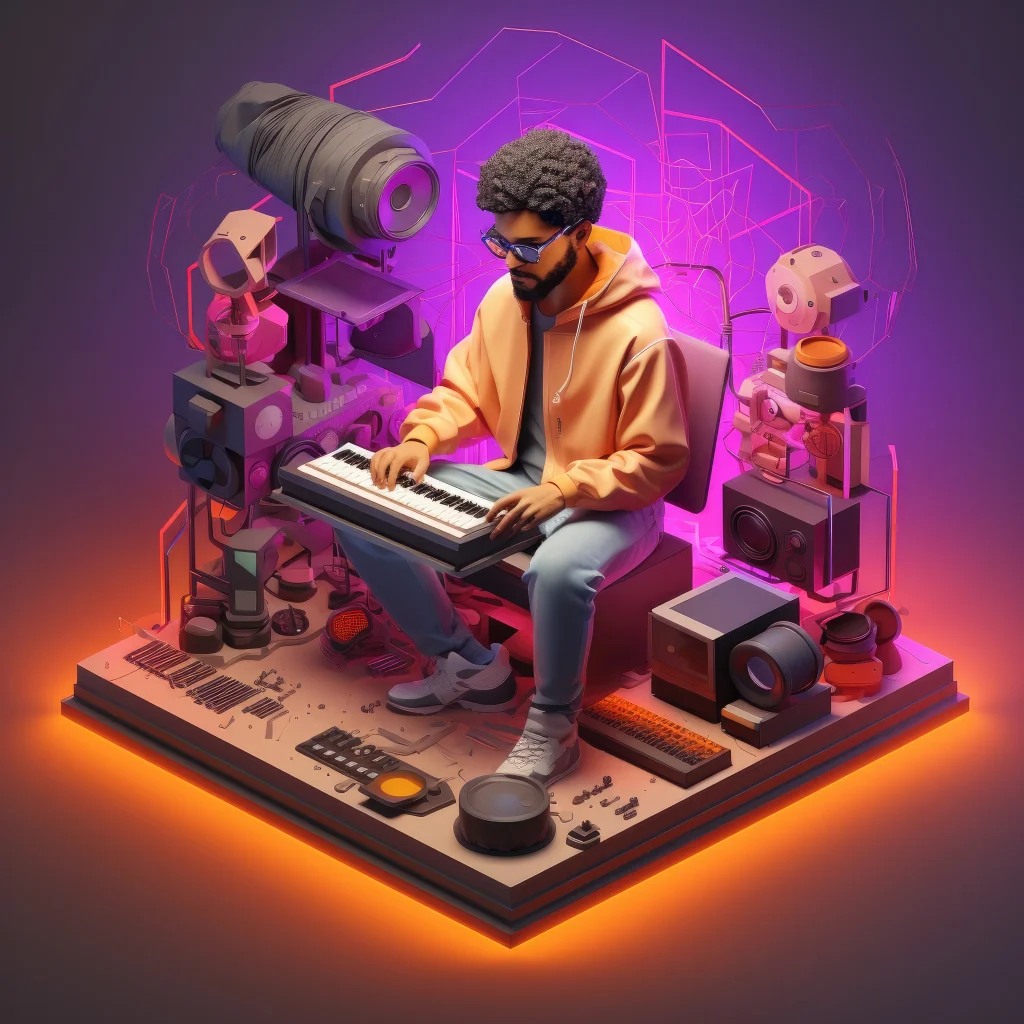
Before diving into benefits, let’s clarify what NFT certification actually means in the music ecosystem.
An NFT (Non-Fungible Token) certification is a blockchain-based digital record that verifies:
- Ownership of a track
- Authenticity of the original file
- Licensing rights
- Limited edition status
- Timestamp of creation
- Royalty terms
- Access privileges
Unlike traditional digital files, NFTs are:
- Immutable (cannot be altered)
- Traceable (ownership history is public)
- Programmable (royalties can be automated)
- Scarce (limited supply can be defined)
This transforms music from a reproducible commodity into a digitally certified asset.
Why Traditional Music Ownership Is Broken
To understand the value of NFT certifications, we need to look deeper at the structural challenges artists face in today’s digital music ecosystem. While streaming platforms have increased global reach, they have also exposed major gaps in ownership control, revenue transparency, and fair compensation. This is where NFT certifications begin to reshape the conversation.
1. Streaming Revenue Is Minimal
Artists often earn fractions of a cent per stream on major platforms. Even with millions of plays, revenue can remain disproportionately low unless an artist operates at massive scale. NFT certifications introduce an alternative revenue stream by allowing artists to tokenize albums, singles, exclusive content, or even rights shares. Instead of relying solely on volume-based payouts, NFT certifications enable value-based ownership — where scarcity and authenticity drive pricing.
2. Rights Disputes Are Common
Metadata errors frequently lead to misattributed ownership, delayed royalties, and legal complications. With multiple stakeholders involved — producers, writers, labels, distributors — disputes are not uncommon. NFT certifications can embed verified ownership data directly onto a blockchain ledger, creating a transparent and immutable record of who owns what. This significantly reduces ambiguity and strengthens trust across the music value chain.
3. Piracy Is Easy
Digital music files can be copied infinitely with almost no friction. While NFTs don’t prevent someone from listening to a song elsewhere, NFT certifications establish provable authenticity and ownership of an original or limited-edition digital asset. Much like owning a signed vinyl record, NFT certifications provide collectors with verifiable proof that they hold a scarce, authenticated version of the work.
4. Lack of Transparency
Artists rarely receive real-time royalty insights. Payments can be delayed by months, and revenue splits are often opaque. NFT certifications, powered by blockchain technology, allow for programmable smart contracts. These contracts can automate royalty distribution instantly and transparently whenever an NFT changes hands. This level of automation reduces dependency on intermediaries and improves financial clarity.
5. Weak Fan Monetization
Fans stream music daily but rarely participate in ownership. Traditional models limit engagement to passive consumption. NFT certifications transform fans into stakeholders. By purchasing certified digital collectibles, exclusive access passes, or limited-edition releases, fans can actively support artists while potentially benefiting from resale value. This strengthens artist-fan relationships and creates community-driven economies.
NFT certifications do not replace streaming platforms — instead, they complement them by adding a powerful layer of digital ownership, authenticity, and scarcity. In a world where content is infinitely replicable, NFT certifications introduce verifiable uniqueness. For artists seeking sustainable monetization and greater control, NFT certifications represent not just a technological trend, but a structural shift in how music ownership and value are defined.
1. Establishing Verifiable Ownership
In a crowded market, proving you were the original creator matters.
When you mint a track as an NFT certification:
- The blockchain records the timestamp.
- The file hash verifies authenticity.
- The ownership ledger becomes permanent.
This creates a public, tamper-proof proof of authorship.
For independent artists especially, this is a powerful defensive tool. It prevents disputes and strengthens legal positioning if ownership is challenged.
2. Creating Digital Scarcity
Scarcity drives value.
Streaming platforms treat every play equally. NFTs allow you to:
- Release 100 certified copies of a track
- Sell 10 lifetime VIP access tokens
- Mint 1 exclusive master recording NFT
This creates tiers of access and ownership.
Fans don’t just consume — they collect.
Scarcity builds demand. Demand builds community.
3. Unlocking New Revenue Streams
NFT certifications enable monetization models beyond streaming:
Limited Edition Track Drops
Sell early-access certified copies before public release.
Royalty-Sharing NFTs
Offer fractional revenue rights to superfans.
Access-Based Tokens
Grant backstage passes, private listening sessions, or meet-and-greets.
Dynamic NFTs
Update artwork or unlock bonuses when milestones are achieved.
Platforms like Indiechain are helping artists structure these ecosystems in ways that prioritize creator ownership and transparency.
NFT certification isn’t just about selling a file — it’s about building programmable income.
4. Strengthening Your Brand Authority
Authority in music isn’t only about charts anymore. It’s about innovation and positioning.
Artists who embrace NFT certification signal:
- Technological awareness
- Ownership mindset
- Community-first thinking
- Future-readiness
Early adopters often gain media attention and niche loyalty. Being ahead of the curve can elevate perception — especially in genres where digital-native audiences dominate.
5. Building Deeper Fan Relationships
Streaming platforms own your audience data. NFT ecosystems change that.
When a fan purchases a certified NFT:
- They become a stakeholder.
- They are identifiable via wallet.
- They can be rewarded directly.
- They can participate in governance decisions.
This shifts the fan relationship from passive listener to active community member.
Imagine letting NFT holders vote on your next single cover or remix direction.
That level of engagement builds loyalty far beyond a playlist placement.
6. Automating Royalty Distribution
One of the most powerful aspects of NFT certifications is programmable royalties.
Smart contracts can:
- Automatically split revenue between collaborators.
- Pay producers in real time.
- Allocate percentages to session musicians.
- Distribute secondary sale royalties.
This removes friction and reduces disputes.
It also builds trust within your creative network.
7. Protecting Your Intellectual Property
NFT certification acts as a digital fingerprint.
While it doesn’t eliminate piracy, it provides:
- Clear proof of original minting
- Transparent ownership history
- Verification for buyers and collectors
Collectors are more likely to purchase certified assets rather than unofficial copies.
This creates a verified marketplace for authenticity.
8. Positioning Yourself for Web3 Music Ecosystems
The music industry is gradually integrating blockchain infrastructure. Major labels, independent platforms, and tech startups are experimenting with tokenization models.
By adopting NFT certifications now, you:
- Gain early operational experience
- Understand smart contract mechanics
- Build a Web3-native fanbase
- Future-proof your catalog
Innovation compounds. Artists who adapt early often gain disproportionate visibility.
9. Increasing Long-Term Catalog Value
Your catalog is an asset.
Traditionally, catalog value depends on:
- Streaming volume
- Licensing deals
- Publishing rights
NFT certifications introduce new dimensions:
- Verified provenance
- Collector editions
- Tokenized revenue rights
- Limited archival releases
Over time, rare certified releases may hold historical value — especially for artists who grow significantly.
10. Enhancing Transparency and Trust
Transparency is becoming a competitive advantage.
Blockchain-based certifications provide:
- Open transaction history
- Clear royalty splits
- Immutable ownership records
This builds trust with collaborators, investors, and fans.
Trust compounds into brand equity.
Preparing Your Track for NFT Certification
Before minting, your music must be professionally structured.
Proper mastering, metadata accuracy, licensing clarity, and distribution planning are essential.
If you’re still in the pre-release phase, make sure you follow best practices outlined in Preparing Your Track for Distribution to ensure your asset is technically and legally ready for tokenization.
NFT certification should enhance professionalism — not compensate for missing foundations.
Legal and Strategic Considerations
NFT certification requires strategic clarity:
What rights are you selling?
- Ownership?
- Licensing?
- Revenue share?
- Access privileges?
Is your contract clear?
Smart contract terms must match your legal agreements.
Are collaborators aligned?
All contributors must consent before minting.
Are you protecting long-term rights?
Avoid overselling future revenue unintentionally.
Working with legal advisors familiar with digital assets is highly recommended.
Avoiding Common Mistakes
Many artists enter NFT markets reactively. Avoid:
- Minting without audience strategy
- Overpricing early drops
- Ignoring community building
- Treating NFTs as quick cash
- Neglecting long-term value planning
NFT certification works best when aligned with brand narrative.
Case Study Scenario: Independent Artist Strategy
Imagine an independent electronic producer with 20,000 monthly listeners.
Instead of relying solely on streaming:
- Release 50 limited NFT-certified early-access copies.
- Offer 10 backstage access tokens.
- Share 5% royalty pool among 100 superfans.
- Airdrop bonus remix to token holders.
- Provide governance voting for future EP direction.
Result:
- Immediate upfront revenue.
- Stronger community alignment.
- Predictable royalty structure.
- Increased brand authority.
This model reduces dependency on algorithm-driven exposure.
Psychological Advantage: Ownership vs Access
Streaming provides access.
NFT certification provides ownership.
Ownership creates emotional investment.
When fans own a certified version of your music, they become advocates. They promote your growth because it aligns with their asset’s value.
This dynamic shifts the marketing burden from artist-only to community-driven.
The Long-Term Industry Outlook
Major labels are exploring blockchain.
Independent platforms are building decentralized distribution systems.
Governments are drafting digital asset frameworks.
The direction is clear: digital ownership infrastructure is expanding.
Artists who understand NFT certification today will be strategically positioned tomorrow.
This isn’t about replacing streaming — it’s about layering ownership over access.
Integrating NFTs with Distribution Strategy

NFT certification should not replace Spotify, Apple Music, or YouTube.
Instead:
- Release certified editions first.
- Drop streaming versions later.
- Offer exclusive NFT holder perks.
- Maintain broad accessibility while preserving scarcity.
This hybrid model maximizes both reach and revenue.
Building Sustainable Music Careers Through Digital Assets
A sustainable career requires:A long-term music career today depends on more than just streams and social media visibility. Artists need structural stability and ownership-driven growth. That means building:
- Multiple income streams beyond traditional streaming payouts
- Strong ownership rights with clear, verifiable proof
- Direct fan relationships that go beyond passive listening
- Transparent revenue systems with real-time tracking
- Strategic market positioning in emerging digital ecosystems
NFT certifications strengthen all five pillars. By embedding verified ownership and programmable royalties into digital releases, NFT certifications empower artists to monetize smarter, protect their rights, and deepen fan engagement.
Instead of treating music as a purely consumable file, NFT certifications transform it into a programmable digital asset — one that carries scarcity, authenticity, and long-term value.
Final Thoughts
The music industry is undergoing structural evolution. Control is gradually shifting from centralized intermediaries to creators.
NFT certifications are not a magic solution. They require education, strategy, and long-term thinking.
But when implemented thoughtfully, they can:
- Protect your intellectual property
- Increase revenue potential
- Deepen fan engagement
- Strengthen brand authority
- Future-proof your catalog
As highlighted earlier in NFTs Are Transforming the Music Industry, this isn’t a trend — it’s infrastructure development.
And platforms like Indiechain are helping bridge the gap between artists and blockchain-powered ecosystems.
The artists who succeed in the next decade will not only create powerful music — they will also understand ownership.
In a world where access is infinite, scarcity and authenticity create value.
NFT certification is how you embed both directly into your career.