

Common Mistakes Independent Dance Artists Make in 2026 (And How to Avoid Them)
Independent dance artists have unprecedented access to tools, platforms, and audiences in 2026. Distribution is easier. Production quality is higher. Marketing channels are everywhere.
Yet despite all of this, most independent dance artists still struggle to gain traction.
The problem is not talent. It is not creativity. It is not even budget.
The real issue is avoidable strategic mistakes that quietly sabotage releases before they ever have a chance to perform. Many artists repeat the same missteps year after year—often without realizing why their tracks fail to gain momentum.
This guide breaks down the most common mistakes independent dance artists make in 2026, explains why they hurt performance, and shows exactly how to avoid them so your releases function like professional, major-label-level launches—without giving up ownership.
Mistake #1: Releasing Music Without a Release Strategy
One of the most damaging mistakes independent dance artists make is treating a release as a single moment rather than a structured campaign.
Uploading a track and announcing it on social media is not a strategy. It is an event with no follow-through.
Why This Hurts Independent Dance Artists
Without a strategy:
- Algorithms have no sustained engagement signal
- Fans do not know when to support
- Marketing momentum dies within days
- Data becomes meaningless
Streaming platforms reward consistent engagement over time, not one-day spikes.
How to Avoid This Mistake
Independent dance artists should plan releases across three phases:
Pre-Release (2–4 weeks)
- Teasers and previews
- Pre-save campaigns
- Email and SMS alerts
Release Week
- Coordinated social pushes
- Playlist submissions
- Influencer or DJ outreach
Post-Release (30–60 days)
- Performance tracking
- Regional targeting
- Content repurposing
Artists who treat releases as campaigns consistently outperform artists who “drop and disappear.”
Internal link: How to Release an Independent Dance Track in 2026
Mistake #2: Choosing Distribution Based on Brand Recognition Alone
Many independent dance artists choose distributors because they are popular—not because they are effective.
Big names feel safe, but safety does not equal scalability.
Common Distribution Problems
Independent artists often experience:
- Limited analytics access
- No real performance insights
- Weak support for niche dance genres
- Lack of transparency
Distribution should be a strategic infrastructure decision, not a branding decision.
Smarter Distribution Thinking in 2026
Independent dance artists should evaluate platforms based on:
- Global reach and store coverage
- Track-level analytics
- Ownership protection
- Long-term scalability
The best platforms are the ones that grow with the artist, not just upload files.
Mistake #3: Ignoring Analytics and Performance Data
In 2026, releasing music without analyzing performance data is one of the fastest ways to stall growth.
Independent dance artists often:
- Look only at total streams
- Ignore listener retention
- Miss regional momentum
- Fail to adjust strategy
Why Data Matters More Than Ever
According to Spotify’s own artist documentation, understanding listener data and audience behavior is essential for long-term growth.
Dance music thrives on:
- Geographic scenes
- Club and DJ culture
- Playlist ecosystems
Without analytics, artists cannot identify:
- Which cities respond
- Which platforms convert
- Which content drives engagement
How to Use Data Correctly
Independent dance artists should track:
- Listener location and growth trends
- Skip and completion rates
- Playlist additions
- Social engagement correlations
Data turns guesswork into decisions.
Mistake #4: Failing to Protect Ownership and Credits
Ownership mistakes are silent killers of independent music careers.
Many independent dance artists:
- Misregister releases
- Ignore publishing splits
- Fail to document collaborators
These errors can cost artists royalties, licensing opportunities, and long-term leverage.
Why Ownership Matters in 2026
The modern music industry values:
- Verified authorship
- Clear rights attribution
- Transparent ownership records
Artists who cannot prove ownership lose opportunities—even if the music is successful.
How to Avoid This Mistake
Independent dance artists should:
- Register releases correctly
- Maintain split documentation
- Use platforms that provide certification or proof of release
Ownership clarity is professional credibility.
Mistake #5: Treating Music Like a Hobby Instead of a Business
The most successful independent dance artists think like entrepreneurs.
The least successful treat music as a side activity with no systems.
What Hobby Thinking Looks Like
- Inconsistent branding
- No monetization plan
- No audience ownership
- No long-term roadmap
What Business Thinking Looks Like
- Clear brand identity
- Repeatable release workflows
- Audience data ownership
- Revenue diversification
In 2026, sustainability beats virality.
Mistake #6: Over-Relying on Social Media Algorithms
Social media is a tool—not a foundation.
Independent dance artists who rely solely on platforms like Instagram or TikTok risk losing their audience overnight.
The Platform Risk
Algorithms change. Accounts get restricted. Reach disappears.
Artists who do not own:
- Email lists
- Fan data
- Direct relationships
Are building on rented land.
The Smarter Approach
Independent dance artists should:
- Convert followers into owned audiences
- Use social media as traffic, not dependency
- Build direct fan communication channels
Mistake #7: Chasing Major Labels Too Early
Many independent dance artists believe signing with a major label is the solution to growth.
In reality, labels sign artists who already demonstrate traction, structure, and scalability.
Why This Backfires
Artists who chase labels too early:
- Lose ownership
- Sign unfavorable terms
- Stall creative control
The Better Path
Build leverage first:
- Consistent releases
- Verified performance
- Ownership clarity
- Audience growth
When leverage exists, labels come to you.
Why Avoiding These Mistakes Matters in 2026
The independent dance market is more competitive than ever.
Avoiding common mistakes allows artists to:
- Stand out strategically
- Scale sustainably
- Retain ownership
- Build long-term careers
Success is rarely accidental.
Mistake #8: Not Building a Recognizable Artist Brand
Many independent dance artists focus entirely on tracks and ignore brand identity.
In 2026, listeners do not just follow songs—they follow stories, aesthetics, and values. Artists without a clear brand struggle to convert casual listeners into long-term fans.
A recognizable brand includes:
- Visual identity (logos, colors, artwork style)
- Consistent messaging
- Clear genre positioning
- A defined audience persona
Artists who invest in branding experience higher engagement, stronger recall, and better playlist traction.
Mistake #9: Ignoring Long-Term Monetization Opportunities
Streaming alone is not a sustainable income strategy for most independent dance artists.
Too many artists fail to plan for:
- Licensing opportunities
- Direct-to-fan sales
- Live performance monetization
- Subscription or membership models
By diversifying revenue streams, artists reduce reliance on algorithms and gain financial stability.
Mistake #10: Releasing Music Without Certification or Proof of Ownership
As the music industry becomes more data-driven, proof of ownership is becoming non-negotiable.
Independent dance artists who cannot verify:
- Release dates
- Ownership splits
- Track authenticity
Often miss out on licensing, sync, and partnership opportunities.
Certification systems and transparent records are increasingly becoming industry standards.
Mistake #11: Failing to Learn From Each Release
Each release generates valuable data—but many artists never analyze it.
Independent dance artists should review:
- What content performed best
- Which regions responded most
- Which platforms drove engagement
- Which promotional tactics worked
Growth accelerates when every release informs the next one.
Why Independent Dance Artists Who Think Long-Term Win More Often
Artists who succeed in 2026 approach music as a long-term ecosystem, not a series of isolated uploads.
They:
- Build audiences intentionally
- Track performance consistently
- Protect ownership
- Optimize every release cycle
This mindset compounds results over time.
How IndieChain™ Helps Independent Dance Artists Avoid These Mistakes
IndieChain™ is built to support independent dance artists who want professional-grade systems without major-label dependency.
The platform focuses on:
- Transparent distribution
- Performance analytics
- Certification and verification
- Ownership protection
Instead of guessing, artists build with clarity.
How Independent Dance Artists Can Apply These Lessons Immediately
Independent dance artists do not need to overhaul their entire operation to see improvement. The most effective approach is incremental execution.
Start by reviewing your most recent release and asking a few simple questions:
- Did the release have a clear pre-launch timeline?
- Was performance tracked beyond total streams?
- Did you identify which platforms or regions responded best?
- Were ownership details clearly documented?
By answering these questions after every release, independent dance artists turn each launch into a learning opportunity rather than a one-off event.
The most successful artists in 2026 operate with repeatable systems. They refine their workflow with each release, improving results without increasing effort.
Progress compounds when strategy is consistent.
Why Systems Matter More Than Talent in 2026
Talent has never been the limiting factor for independent dance artists. Access to tools, production quality, and distribution platforms has leveled the playing field.
What separates successful artists from stalled ones is systems.
Systems determine:
- How often music is released
- How performance is measured
- How audiences are retained
- How revenue is generated
- How ownership is protected
Artists who rely on inspiration alone struggle to scale. Artists who build systems outperform peers with equal or greater talent.
In 2026, growth favors artists who treat music as an evolving ecosystem rather than isolated moments of creativity.
The Competitive Advantage Independent Dance Artists Often Overlook
Independent dance artists often believe success comes from discovering the perfect tactic or platform. In reality, competitive advantage comes from alignment.
Alignment means ensuring that every part of the release process supports the same long-term objective: growth with ownership.
When strategy, branding, distribution, analytics, and audience development work together, results become predictable instead of random.
Artists who struggle often jump between tactics without integration. Artists who grow consistently build repeatable systems that evolve with each release.
In 2026, the market rewards clarity more than noise.
Turning Mistakes Into Momentum
Every mistake outlined in this guide represents an opportunity.
Independent dance artists who pause to analyze what went wrong gain insight that competitors ignore. Over time, this creates momentum that compounds across releases.
Instead of asking, “Why didn’t this track perform?” successful artists ask:
- What signal did the data reveal?
- What system needs improvement?
- What should be adjusted next time?
This approach transforms setbacks into leverage.
A Smarter Path Forward for Independent Dance Artists
The goal for independent dance artists in 2026 is not overnight success. It is sustainable growth.
That means:
- Releasing music with intention
- Measuring performance intelligently
- Protecting ownership consistently
- Building audiences that persist beyond platforms
Artists who adopt this mindset are not chasing trends — they are building careers.
How Independent Dance Artists Can Build Momentum After Each Release
Momentum is rarely accidental. Independent dance artists who experience consistent growth treat every release as a stepping stone rather than a finish line.
After a release goes live, many artists move on emotionally before extracting value from the data. This creates a cycle of repeated mistakes and stagnant growth.
A better approach is post-release analysis.
Independent dance artists should review performance within the first 7, 14, and 30 days, focusing on trends rather than vanity metrics. Streams alone do not tell the full story. Completion rates, saves, playlist additions, and geographic engagement provide clearer insight into listener behavior.
By identifying where engagement is strongest, artists can double down on regions, platforms, or content formats that resonate most. Over time, this creates momentum that compounds across releases.
Artists who build feedback loops outperform artists who rely on intuition alone.
The Role of Professional Infrastructure in Independent Dance Careers
In 2026, independent dance artists compete in a professionalized market. The difference between growth and obscurity often comes down to infrastructure.
Infrastructure includes:
- Reliable distribution systems
- Consistent branding assets
- Data tracking workflows
- Ownership documentation
- Audience communication channels
Artists without infrastructure rely on luck. Artists with infrastructure rely on systems.
Professional infrastructure allows independent dance artists to scale without losing control. It also positions artists to capitalize on opportunities when they arise, rather than scrambling to organize assets retroactively.
When infrastructure is in place, growth becomes repeatable. Without it, even successful tracks fail to translate into sustainable careers.
Independent dance artists who invest early in infrastructure gain leverage later.
Why Audience Ownership Is a Critical Advantage in 2026
Audience ownership is one of the most overlooked aspects of independent music success.
Many independent dance artists rely exclusively on third-party platforms to reach listeners. While these platforms are valuable for discovery, they do not provide ownership of the relationship.
Algorithm changes, reduced reach, or account restrictions can instantly erase years of progress.
Independent dance artists who prioritize audience ownership focus on building direct communication channels such as email lists, websites, and fan communities. These channels provide stability and control regardless of platform changes.
Owned audiences convert more consistently, engage more deeply, and provide long-term value beyond individual releases.
In 2026, audience ownership separates artists who survive from artists who scale.
The Difference Between Exposure and Sustainable Growth
Exposure is often mistaken for success.
Independent dance artists may experience spikes in streams or social engagement without seeing meaningful career progression. This happens when exposure is not paired with strategy.
Sustainable growth requires:
- Clear goals
- Measurable outcomes
- Consistent execution
- Long-term planning
Artists who chase exposure alone often burn out. Artists who focus on sustainable growth build careers that last.
In 2026, sustainable growth favors independent dance artists who think beyond the next release and design systems that support ongoing development.
Growth is not about doing more. It is about doing the right things consistently.
Case Insight: Applying These Lessons to “Boogie Slide” by Don Williano
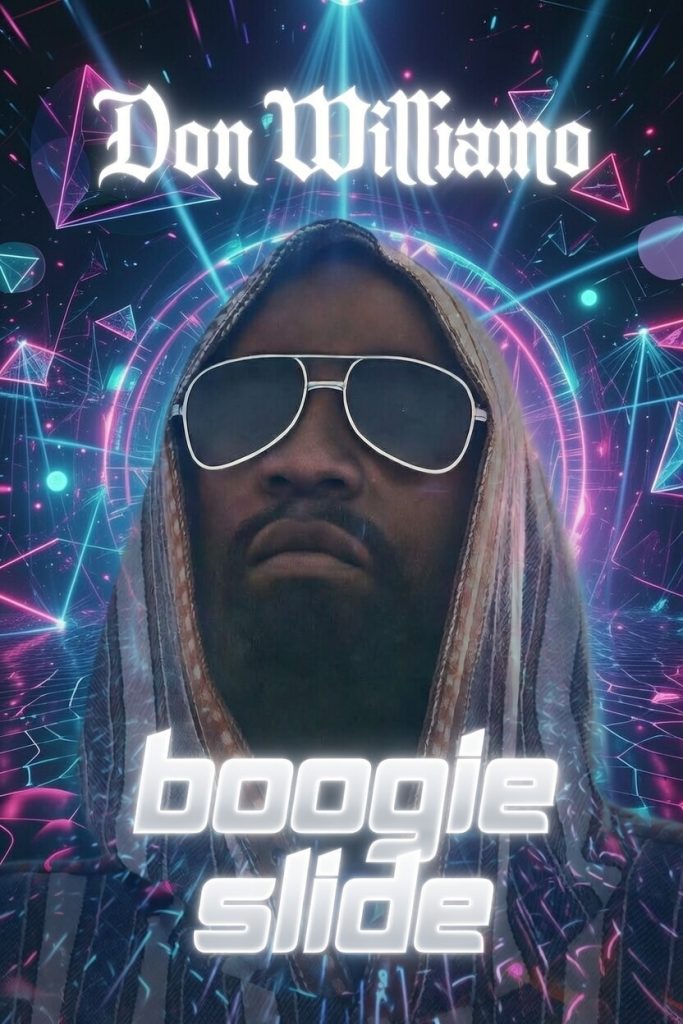
Don Williano – “Boogie Slide” (Independent Dance Release)
Listen: Don Williano – “Boogie Slide”
“Boogie Slide” by Don Williano is an independently owned dance release included here as a real-world example of modern release strategy, ownership control, and long-term audience development for independent dance artists.
Audio uploaded with full rights owned by the artist.
To understand how these mistakes show up in real releases, it helps to look at a practical example.
“Boogie Slide” by Don Williano represents a type of independent dance release that many artists aim for in 2026: energetic, culturally relevant, and positioned for viral potential. Like many independent releases, its success depends not only on the quality of the track, but on the systems surrounding it.
Without a structured release strategy, tracks like “Boogie Slide” risk peaking early and fading quickly. A single spike in attention — whether from social media or regional interest — does not automatically translate into long-term growth.
When artists apply the lessons outlined in this guide, releases become assets instead of moments.
For example, treating a track like “Boogie Slide” as a campaign rather than a drop allows the artist to:
- Build anticipation before release
- Track which regions respond most strongly
- Identify which content formats drive engagement
- Extend the lifecycle of the release beyond the first week
Analytics play a critical role here. If early performance shows traction in specific cities or playlists, future promotion can be adjusted to amplify those signals rather than spreading effort evenly.
Ownership and documentation matter as well. Clear proof of authorship, release timing, and rights attribution ensures that if opportunities arise — such as licensing, live performance placements, or partnerships — the artist is prepared to act quickly.
Perhaps most importantly, releases like “Boogie Slide” highlight the difference between exposure and sustainability. Visibility alone does not build a career. Structure does.
Independent dance artists who analyze releases like this gain insight that informs every future project. Over time, this approach transforms individual tracks into a connected body of work that compounds audience growth, credibility, and opportunity.
In 2026, success favors artists who treat each release as part of a larger system — not a one-off experiment.
Final Thoughts: Independent Dance Artists Who Win Think Differently
Independent dance artists do not fail because of talent.
They fail because of:
- Poor planning
- Weak systems
- Ignored data
- Ownership mistakes
In 2026, the artists who win are the ones who:
- Treat releases as campaigns
- Track performance intelligently
- Protect their rights
- Build sustainable ecosystems
Avoid the mistakes—and your music has room to grow.

FAQs
What is the biggest mistake independent dance artists make in 2026?
The most common mistake is releasing music without a structured strategy, including pre-release promotion and post-release analytics tracking.
Do independent dance artists need a major label to succeed in 2026?
No. Independent dance artists can succeed without a major label by using proper distribution, analytics, ownership protection, and audience-building systems.
Why is analytics important for independent dance artists?
Analytics reveal where music performs best, how listeners engage, and which strategies should be adjusted for growth.
How can independent dance artists protect ownership?
By registering releases correctly, documenting splits, and using platforms that provide transparent certification and ownership records.
How Independent Dance Artists Can Apply These Lessons Immediately
Independent dance artists do not need to overhaul everything at once. The most effective approach is incremental improvement.
Start by:
- Auditing your last release
- Identifying one weak point
- Improving one system at a time
Consistency, not perfection, is what separates long-term success from short-term hype.
Is social media enough to grow as an independent dance artist?
No. Social media should support growth, but artists should also build direct audience channels such as email lists and owned platforms.