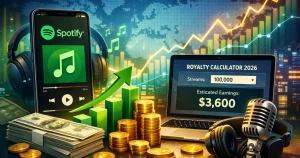

For decades, Gold and Platinum records have symbolized commercial success, cultural impact, and artistic achievement. Hanging on the walls of recording studios, record labels, and artist homes, these awards have represented a tangible milestone in a musician’s career. But as the music industry undergoes rapid digital transformation—driven by streaming platforms, blockchain technology, and decentralized ownership models—the traditional concept of Gold and Platinum records is evolving.
Welcome to the era of Digital Gold and Platinum Records — a future where recognition is transparent, automated, tokenized, and globally verifiable.
In this in-depth guide, we’ll explore how music awards are changing, why traditional certifications are becoming outdated, and how blockchain-powered recognition systems—especially through music NFTs and platforms like Indiechain—are reshaping the future of artist validation.
1. The History of Gold and Platinum Records
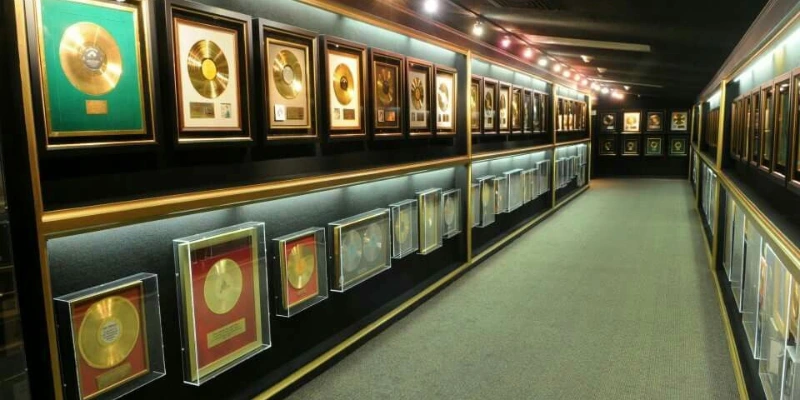
Gold and Platinum awards originated in the 20th century as a way to celebrate physical record sales. Organizations like the Recording Industry Association of America (RIAA) established certification thresholds that quickly became the gold standard of commercial music success:
Gold Record – 500,000 units sold
Platinum Record – 1 million units sold
Multi-Platinum – 2 million+ units
Other countries adopted similar certification frameworks to honor high-selling artists. The British Phonographic Industry (BPI) introduced its own sales benchmarks in the UK, while the International Federation of the Phonographic Industry (IFPI) helped standardize international reporting and global recognition.
Back then, measuring success was simple and transparent: count physical album or single sales. Vinyl records, cassette tapes, and later CDs were tangible products. Each purchase was measurable, trackable, and easy to certify. If an artist sold one million CDs, they earned a Platinum plaque. The system worked perfectly in a physical retail world.
However, the music industry has undergone a massive transformation. Streaming platforms, digital downloads, social media virality, and global online distribution have fundamentally changed how audiences consume music. Today, success is no longer defined purely by physical copies sold — it is driven by streams, shares, playlists, and algorithmic discovery.
This shift has created both opportunity and complexity. Modern Digital Gold and Platinum records must now account for streaming equivalents, digital downloads, and hybrid consumption models. Instead of counting boxes shipped to record stores, certifications now factor in millions — sometimes billions — of on-demand streams across platforms.
The evolution from traditional plaques to Digital Gold and Platinum records reflects a broader industry transition from physical ownership to digital access. Artists can now achieve Gold or Platinum status faster than ever before, sometimes without pressing a single physical copy. At the same time, certification bodies have had to modernize their formulas to maintain credibility and fairness.
In today’s streaming-driven ecosystem, Digital Gold and Platinum records represent more than sales milestones — they symbolize cultural reach, audience engagement, and global impact in the digital age.
2. The Problem with Traditional Certifications in a Streaming Era

Streaming now dominates global music consumption. Platforms like Spotify, Apple Music, and YouTube have fundamentally shifted performance metrics from physical units sold to total streams generated.
Certification bodies responded by updating their formulas. For example, many markets now calculate 1,500 streams as equivalent to one album unit when determining eligibility for Digital Gold and Platinum records. While this adjustment modernized the framework, it didn’t fully solve deeper structural issues within the awards ecosystem.
As streaming reshapes consumption habits, several limitations of traditional certification models have become increasingly visible:
1. Lack of Transparency
Streaming data is owned and controlled by centralized platforms. Artists, managers, and even labels must rely on third-party dashboards and reporting systems to verify performance metrics.
Although Digital Gold and Platinum records now incorporate streaming equivalents, artists rarely have direct access to raw, independently verifiable data. This creates uncertainty around how numbers are calculated, audited, and validated before certification is granted.
2. Delayed Recognition
Despite music moving at internet speed, certification timelines often move slowly. It can take months — sometimes years — for achievements to be reviewed, approved, and formally recognized.
In a digital era where songs can go viral overnight, the traditional processing structure behind Digital Gold and Platinum records feels misaligned with real-time cultural momentum.
3. Gatekeeping
Independent artists face significant barriers when pursuing certification. The application processes can be bureaucratic, documentation-heavy, and often require label-level infrastructure to navigate effectively.
As a result, Digital Gold and Platinum records are still more accessible to artists backed by established industry networks, leaving emerging creators at a disadvantage.
4. Incomplete Measurement
Modern music success extends beyond streams alone. Viral TikTok trends, fan communities, NFT drops, sync licensing deals, direct-to-fan sales, and Web3 engagement all contribute to an artist’s impact.
Yet traditional frameworks for Digital Gold and Platinum records rarely account for these diversified revenue and engagement channels. The result is a system that measures volume — but not always influence.
As the music ecosystem becomes more decentralized, global, and creator-driven, the gap between real-world impact and traditional certification models continues to widen. While Digital Gold and Platinum records represent an important evolution, the industry increasingly demands recognition systems that reflect the full scope of digital-era success.
3. Enter Digital Gold and Platinum Records

Digital Gold & Platinum Records are blockchain-based certifications that recognize musical achievements using verifiable, on-chain data.
Instead of relying solely on centralized streaming reports, digital awards could include:
- Verified streaming counts
- NFT sales volume
- Fan token engagement
- Decentralized downloads
- Smart contract royalties
- DAO-backed community votes
Everything is transparent. Everything is traceable.
This represents not just a format shift—but a philosophical one.
4. Blockchain as the Backbone of Modern Music Awards
Blockchain technology introduces a powerful new foundation for the evolution of Digital Gold and Platinum records, addressing many of the structural limitations found in traditional certification systems. By leveraging decentralized infrastructure, recognition can become faster, fairer, and fully data-driven.
Here are three major advantages blockchain brings to the future of Digital Gold and Platinum records:
1. Transparency
Blockchain operates on immutable ledgers, meaning every transaction is permanently recorded and publicly verifiable.
Streams, digital downloads, NFT mints, secondary sales, royalty splits, and fan transactions can all be logged in real time. Unlike centralized reporting systems, blockchain-based Digital Gold and Platinum records would not rely on opaque third-party dashboards.
Artists, fans, and industry stakeholders could independently verify milestones without waiting for internal audits or manual confirmations. This level of transparency builds trust — something increasingly important in a digital-first music economy.
2. Automation
Through smart contracts, certifications can be triggered automatically once predefined thresholds are reached.
Instead of submitting paperwork or waiting months for approval, artists could receive Digital Gold and Platinum records instantly when their verified metrics meet the required benchmarks.
For example:
- A smart contract could issue a digital Gold certificate at 500,000 verified equivalent units.
- A Platinum badge could activate the moment a combined stream and NFT threshold is met.
This automation eliminates delays, reduces administrative overhead, and ensures recognition happens at the speed of digital culture.
3. Global Access
Traditional certification models often favor artists backed by major labels or established industry networks. Blockchain removes this dependency.
With decentralized validation, artists from any country — regardless of label affiliation — can qualify for Digital Gold and Platinum records based purely on performance data.
There is no need for label approval, regional gatekeepers, or complex bureaucratic submissions. Recognition becomes merit-based and borderless.
Instead of applying for recognition, artists earn it automatically through transparent, verifiable performance metrics.
This shift removes friction, reduces gatekeeping, and democratizes success validation. In a global streaming era where music moves instantly across continents, blockchain-powered Digital Gold and Platinum records offer a system that is aligned with how modern music actually grows, spreads, and succeeds.
5. The Role of Music NFTs in Digital Certification
One of the strongest pillars of Digital Gold Records is the rise of music NFTs.
Unlike traditional streaming revenue, NFTs allow artists to:
- Sell limited-edition digital collectibles
- Share royalty splits via smart contracts
- Tokenize albums, stems, or exclusive access
- Create verifiable ownership records
Imagine this scenario:
- 1,000 NFT editions sold
- $100 each
- $100,000 generated directly by the artist
Should this not count toward Gold status?
Traditional systems ignore this revenue. Digital certification systems won’t.
Music NFTs introduce a measurable, verifiable, and community-driven success metric that better reflects modern artist economics.
6. Indie Artists & the Recognition Gap
Independent artists face systemic challenges in traditional award structures. Even if they achieve major milestones, navigating the certification process requires:
- Distribution partners
- Label representation
- Application fees
- Formal documentation
This creates a gap between actual success and official recognition.
Many emerging artists unknowingly sabotage their growth due to poor strategy. If you’re exploring new digital recognition models, it’s important to understand the Mistakes Independent Dance Artists Make—especially around ownership, distribution rights, and data tracking. Avoiding these pitfalls becomes even more critical in a blockchain-powered music ecosystem.
7. How Indiechain Can Transform Digital Gold and Platinum Records Systems
Platforms like Indiechain are pioneering blockchain-based infrastructure for music validation and rights management.
Indiechain can potentially:
- Track song registrations on-chain
- Verify streaming milestones
- Record NFT sales
- Issue tokenized certification badges
- Provide wallet-verifiable awards
Imagine receiving a Digital Platinum NFT badge automatically minted into your wallet once your combined streaming + NFT + engagement metrics hit a threshold.
No paperwork.
No waiting.
No gatekeeping.
Just pure, automated recognition.
8. The Rise of Tokenized Awards
Digital awards can take multiple forms:
1. NFT-Based Trophies
Unique, limited-edition blockchain trophies minted to artists.
2. Dynamic Achievement Badges
Metadata-upgradable NFTs that evolve as milestones increase.
3. Soulbound Recognition Tokens
Non-transferable awards tied permanently to an artist’s wallet identity.
4. DAO-Voted Cultural Awards
Community-driven recognitions based on impact rather than sales.
The future isn’t just sales-based—it’s community-based.
9. Beyond Sales: Measuring Cultural Impact
Traditional awards reward units sold.
Digital awards can reward:
- Fan engagement
- Community growth
- Remix activity
- Social virality
- DAO participation
- Metaverse performances
Imagine an artist hosting 10,000 attendees in a metaverse concert. That engagement may not translate directly to album sales—but it represents massive impact.
Digital systems can capture that.
10. The Economics of Digital Recognition
Digital Gold Records introduce new economic possibilities:
1. Tradable Prestige
Some digital trophies could be fractionalized for fan participation.
2. Royalty Boosts
Smart contracts could increase royalty splits once milestones are hit.
3. DeFi Integration
Certified artists could access better loan terms using NFT trophies as reputation collateral.
Recognition becomes programmable.
11. Record Labels vs. Decentralized Certification
Will labels disappear?
Not necessarily.
Instead, they may integrate digital certifications into marketing campaigns.
But decentralized certification challenges label dominance in three ways:
- Artists don’t need approval
- Data is transparent
- Community participation increases
This shifts power dynamics significantly.
12. Hybrid Models: The Transitional Phase
We are currently entering a hybrid era where:
- Traditional bodies still certify physical & streaming sales
- Blockchain platforms certify Web3 achievements
Eventually, these models may merge.
Organizations like IFPI may adopt blockchain-backed reporting systems to increase trust and transparency.
13. Challenges Facing Digital Awards
While promising, digital certification faces obstacles:
1. Standardization
What qualifies as “Digital Gold”?
2. Fraud Prevention
Bot streams and fake NFT purchases must be filtered.
3. Regulatory Uncertainty
NFTs and tokens are still legally evolving in many jurisdictions.
4. Industry Resistance
Traditional gatekeepers may resist change.
However, technology adoption in music historically follows innovation—not resistance.
14. Case Study: What a Future Digital Platinum Might Look Like
Imagine this framework:
To achieve Digital Platinum:
- 1 million verified streams
- 2,000 NFT sales
- 5,000 active fan wallet interactions
- 3 DAO community events
Once these are verified on-chain:
- A Platinum NFT badge is minted
- A smart contract unlocks bonus royalties
- A press release auto-generates
- The achievement is publicly verifiable
This model rewards ecosystem participation—not just passive consumption.
15. Global Inclusion & Accessibility
Artists in developing countries often struggle with distribution access.
Digital certification systems:
- Eliminate geographic bias
- Operate 24/7
- Require no physical distribution
- Enable micro-fan economies
Recognition becomes borderless.
16. The Psychology of Digital Awards
Human beings crave validation.
Physical plaques are symbolic.
Digital awards, when verifiable and rare, can carry equal or greater prestige—especially if publicly traceable and community-backed.
As Web3 identity evolves, wallet achievements may become as important as social media verification badges.
17. Why the Future Favors Digital Recognition
The industry is shifting toward:
- Direct-to-fan monetization
- Transparent royalty splits
- Community governance
- Creator ownership
Traditional awards represent past success models.
Digital Gold & Platinum Records represent future creator economies.
18. Strategic Advice for Artists Preparing for This Shift
If you want to thrive in the digital award era:
- Maintain accurate streaming data
- Experiment with music NFTs
- Build a wallet-based fan community
- Avoid the common Mistakes Independent Dance Artists Make
- Register your music on blockchain platforms like Indiechain
- Diversify revenue streams
The earlier you adapt, the more competitive advantage you gain.
19. The Long-Term Vision: Fully Autonomous Music Recognition
In the next decade, we may see:
- AI-powered streaming validation
- Cross-platform blockchain aggregators
- Universal digital certification standards
- Tokenized Grammy-style awards
Recognition will be:
- Real-time
- Borderless
- Transparent
- Community-backed
Gold and Platinum won’t disappear—they’ll evolve.
20. Final Thoughts: A New Era of Musical Achievement
The music industry has always evolved alongside technology—from vinyl to cassettes, CDs to downloads, downloads to streaming.
Now, we enter the era of decentralized recognition.
Digital Gold & Platinum Records are not just symbolic upgrades—they represent:
- Transparency
- Artist empowerment
- Automated validation
- Global accessibility
- Community-driven prestige
By integrating blockchain infrastructure, music NFTs, and decentralized platforms like Indiechain, the future of music awards becomes more democratic, programmable, and fair.
The plaque on the wall may become a token in your wallet.
And in many ways—that token may mean far more.
The future of music awards isn’t physical. It’s digital, decentralized, and artist-owned.