
Table of Contents
“Uploading a song is easy. Getting people to care is the hard part.”
That single line defines the reality of today’s music industry. Every day, thousands of tracks are released across platforms, but only a fraction ever reach a meaningful audience. The difference isn’t just talent—it’s strategy.
If you’ve been searching for answers like:
- how to promote your music independently
- how to advertise my music
- best way to promote your music
then you’re not alone. These are the exact questions every serious independent artist asks when they realize that great music alone is no longer enough.
In 2026, music promotion is no longer about “posting and hoping.” It’s about building a system that consistently drives attention, engagement, and long-term fan loyalty—without relying on record labels.
This guide is built on real industry experience, shaped by decades of observing how independent artists break through noise, adapt to changing algorithms, and turn small audiences into dedicated fanbases. From the early days of blog submissions to today’s AI-driven discovery engines, one thing has remained constant: artists who understand promotion win.
What you’re about to learn is not a collection of random tips. It’s a proven system used by modern independent artists to grow sustainably, generate streams, and build a career on their own terms.
What Does Music Promotion Really Mean in 2026?
Music promotion for independent artists in 2026 is the strategic process of creating awareness, driving engagement, and converting listeners into loyal fans using a combination of content, platforms, data, and audience ownership. It goes beyond simply sharing your music—it involves building a repeatable system that generates attention and sustains growth over time.
Understanding Music Promotion for Independent Artists
At its core, music promotion for independent artist success is about visibility and connection. Visibility ensures people discover your music, while connection ensures they stay, engage, and return.
In earlier years, promotion meant sending your track to blogs or getting radio play. Today, it’s a multi-layered ecosystem that includes:
- Short-form content that captures attention instantly
- Streaming platforms that reward engagement signals
- Direct-to-fan channels like email and communities
- Data-driven decisions based on listener behavior
Independent artists now have more control than ever—but also more responsibility. You are not just the creator; you are also the strategist behind your growth.
Promotion vs Marketing vs Branding (Critical Difference)
Most artists fail because they confuse these three concepts. Understanding the difference is what separates stagnant careers from scalable ones.
Promotion is short-term and action-driven.
It focuses on getting immediate attention for your music.
Examples:
- Posting a reel
- Running ads
- Pitching to playlists
Marketing is long-term and strategic.
It’s about building systems that consistently bring attention.
Examples:
- Content strategy
- Audience targeting
- Release planning
Branding is perception.
It defines how people feel about you as an artist.
Examples:
- Your visual identity
- Your message
- Your unique sound and story
In 2026, successful independent artists don’t treat these separately. They integrate all three into a unified growth engine.
Why Promotion Has Changed in 2026
The rules of music promotion have shifted dramatically due to:
- Algorithm-driven discovery (Spotify, Instagram, TikTok)
- Short attention spans (first 3 seconds matter more than ever)
- Oversaturation of content (millions of songs competing daily)
- Rise of fan-owned ecosystems (email lists, communities, Web3)
This means traditional advice like “just post consistently” or “submit to blogs” is no longer enough. Promotion today requires precision, timing, and a deep understanding of how platforms distribute content.
The Role of Trends in Music Promotion
To promote effectively, you must align your strategy with what’s already working in the industry. This doesn’t mean copying others—it means understanding patterns of success.
Understanding trends like best sellling music artists, singles & albums helps shape your promotion strategy by revealing:
- What type of content audiences are engaging with
- Which platforms are driving the most growth
- How top artists structure their releases and campaigns
When you study these patterns, you stop guessing and start making informed decisions.
The Real Goal of Music Promotion (What Most Artists Get Wrong)
Most artists think promotion is about getting more streams. That’s only partially true.
The real goal of music promotion in 2026 is:
- To build attention → convert it into engagement → turn it into ownership
Streams come and go. Fans stay.
If your strategy only focuses on numbers (views, plays), you may get temporary spikes. But if it focuses on building relationships, you create a long-term career.
Music promotion today is not about doing more—it’s about doing the right things in the right order.
Once you understand what promotion truly means, the next step is building a system that actually works. That’s where most artists either level up—or stay stuck.
The 2026 Indie Artist Growth Framework (Your Step-by-Step System)
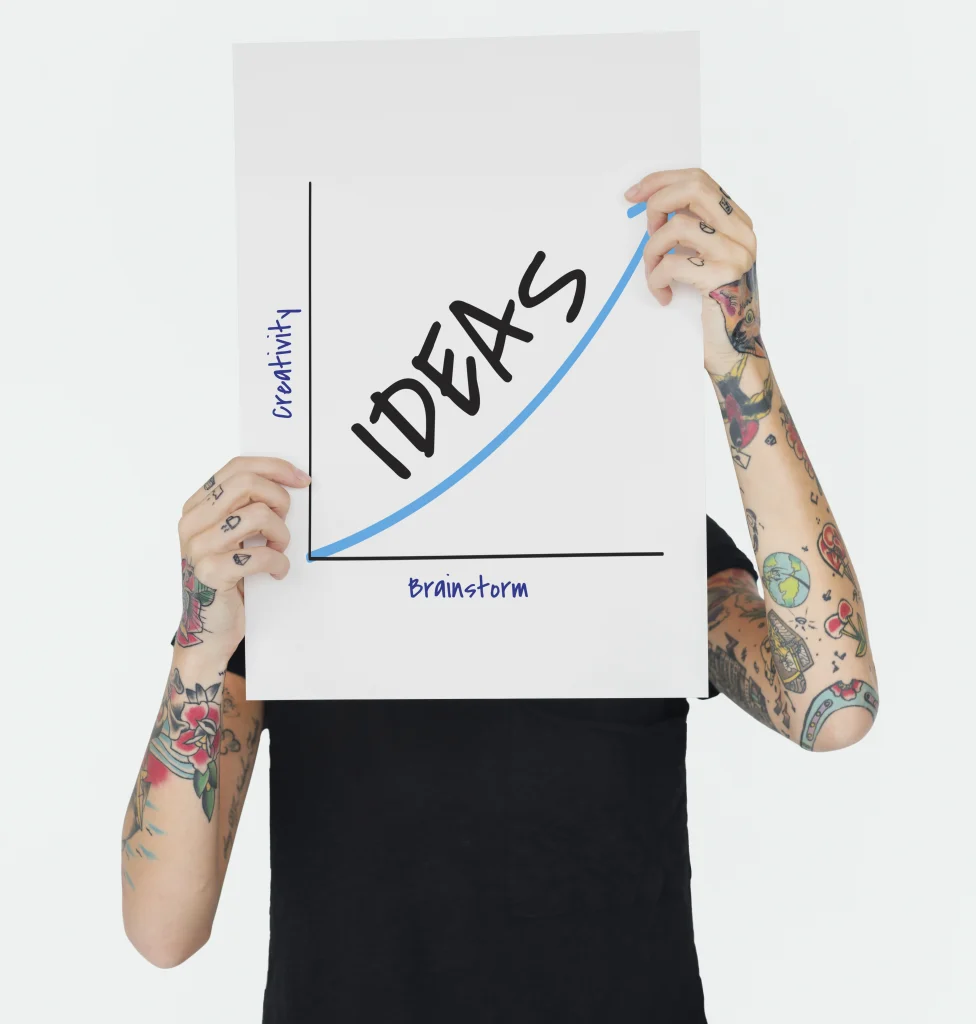
Most advice you’ll find online is fragmented—post here, submit there, try this platform. The problem is not the lack of tactics; it’s the lack of a system.
What follows is a structured framework used by modern independent artists who consistently grow without relying on labels.
“The 6-Step Independent Music Promotion Engine”
This is not a one-time checklist. It’s a repeatable cycle that builds momentum with every release.
Step 1 – Build Your Artist Identity (Before Promotion)
Before you promote anything, you need clarity on who you are, who you’re for, and why someone should care.
Most artists skip this step and jump straight into promotion. That leads to inconsistent content, confused audiences, and weak engagement.
Core Elements of Artist Identity:
- Sound Identity: What makes your music recognizable within seconds
- Visual Identity: Colors, aesthetics, thumbnails, cover art consistency
- Message: What do you stand for beyond the music?
- Audience Profile: Who exactly are you trying to reach?
In 2026, niche positioning is more powerful than mass appeal. Artists who clearly define their space grow faster because algorithms and audiences both reward clarity.
Align your sound with emerging music genre in 2026 to position yourself where demand is rising, not saturated.
Execution Tip:
If someone hears your song or sees your content, they should instantly understand:
- What genre you belong to
- What emotion you deliver
- Why they should follow you
Without this clarity, every promotional effort becomes inefficient.
Step 2 – Content Strategy That Drives Attention (Social + Viral)
This is where most discovery happens. If you’re trying to figure out how to promote a song on Instagram or searching for the best way to advertise your music organically, this is your core engine.
In 2026, content is not optional—it is the primary distribution channel.
Short-Form Content Strategy (Reels, TikTok, Shorts)
Short-form video dominates attention. But posting randomly is not a strategy.
What Works:
- 5–15 second clips with immediate impact
- Repetition of your hook (same sound, different angles)
- Story-driven snippets (before/after, emotion, context)
- Behind-the-scenes content that humanizes you
Hook Formulas That Stop the Scroll
The first 3 seconds determine everything. Use proven patterns:
- “This song was rejected by 10 labels…”
- “I wrote this at my lowest point…”
- “If you like [artist], you’ll love this…”
Hooks should create curiosity, emotion, or relatability.
Posting Frequency
Consistency beats intensity.
- Minimum: 1–2 posts daily
- Ideal: 2–3 high-quality short-form videos daily
- Test multiple formats and double down on what performs
The goal is not just visibility—it’s training the algorithm to recognize your content as engaging.
Step 3 – Promoting Music on Spotify (Streams Engine)
When it comes to promoting music on Spotify, most artists misunderstand how growth actually happens.
Spotify is not just a streaming platform—it’s a recommendation engine driven by listener behavior.
Playlist Strategy (Algorithm vs Editorial)
There are two types of playlists:
Editorial Playlists:
- Curated by Spotify’s team
- Harder to access but high credibility
Algorithmic Playlists:
- Discover Weekly
- Release Radar
- Radio
These are driven by:
- Saves
- Shares
- Repeat listens
- Skip rate
Your goal should be to trigger algorithmic playlists, not rely solely on editorial placements.
Release Radar & Discover Weekly Hacks
- Drive traffic in the first 48 hours of release
- Encourage listeners to save, not just stream
- Use external traffic (social + ads) to boost engagement signals
The stronger your early engagement, the more Spotify pushes your track.
Understand how revenue works through spotify pay per stream so you can align your promotion strategy with realistic earning expectations.
Execution Tip:
Treat Spotify as the conversion layer, not the discovery layer. Discovery happens on social; Spotify turns that attention into streams.
Step 4 – How to Advertise My Music (Paid Growth Strategy)
If you’re serious about scaling, organic reach alone is not enough. Paid promotion accelerates what’s already working.
This is where most artists ask: how to advertise my music and what is the best way to advertise your music without wasting money.
Instagram Ads
Best for:
- Driving traffic to your song
- Retargeting engaged viewers
- Scaling viral content
Strategy:
- Promote posts that are already performing well
- Target similar audiences based on engagement
- Use short-form video creatives
YouTube Ads
Best for:
- Music videos
- Audience building
- Long-term visibility
Strategy:
- Run skippable in-stream ads
- Target fans of similar artists
- Focus on strong first 5 seconds
Budget Strategy for Indie Artists
Start small, scale smart.
- Test budget: $5–$20/day
- Identify winning creatives
- Increase budget only on proven content
Paid ads should amplify success, not create it from scratch.
Step 5 – Radio Promotion for Independent Artists (Still Relevant?)
Radio promotion for independent artists is no longer the primary growth channel—but it still has strategic value when used correctly.
When Radio Still Works
- Genre-specific audiences (hip-hop, rock, regional music)
- Local exposure for touring artists
- Credibility building
Indie vs College Radio
Indie Radio:
- Smaller stations
- Niche audiences
- Easier access
College Radio:
- Strong engagement
- Early adopter listeners
- Good for emerging artists
ROI Reality Check
Radio is not a growth hack. It’s a supporting channel.
Use it for:
- Branding
- Credibility
- Audience diversification
But don’t rely on it as your main promotion strategy in 2026.
Step 6 – Own Your Audience (Email + Web3 + Community)
This is the most overlooked—and most powerful—step.
Platforms can change algorithms overnight. If you don’t own your audience, you’re always starting from zero.
Email List Strategy
Email remains the highest-converting channel.
How to Build It:
- Offer exclusive content (unreleased songs, early access)
- Use landing pages and sign-up forms
- Promote consistently across platforms
Your goal is to move fans from platforms you don’t control to channels you own.
Fan Ownership & Web3
The future of music promotion is shifting toward ownership.
Explore models like:
- decentralized music platform ecosystems
- Direct-to-fan monetization
- Exclusive fan communities
Monetization Expansion
New opportunities include:
- NFT cerfitifications can boost your music career by creating scarcity and exclusivity
- Leveraging best digital music certification services to authenticate and protect your work
Artists who adopt early ownership models build stronger, more loyal fanbases.
Best Way to Promote Your Music (Quick Action Plan)
The best way to promote your music in 2026 is to combine consistent content creation, strategic platform use, paid advertising, and audience ownership into a repeatable system that drives both discovery and long-term fan engagement.
7-Step Action Plan
If you’re wondering how to promote my music effectively, follow this execution checklist:
- Create a Release Plan
Define your timeline, content rollout, and promotion phases before launching your song. - Build a Content Calendar
Plan daily short-form content to drive consistent attention. - Focus on High-Impact Platforms
Prioritize Instagram, TikTok, and YouTube for discovery. - Leverage Paid Ads
Boost high-performing content to scale reach. - Pitch to Playlists
Target both algorithmic and independent playlists. - Engage With Your Audience
Reply to comments, build connections, and create community. - Capture and Own Your Audience
Convert listeners into email subscribers or community members.
There is no single “best way” to promote your music. The real advantage comes from combining multiple strategies into a system that compounds over time.
Artists who treat promotion as a structured process—not random effort—are the ones who consistently grow, release after release.
Case Study – How Independent Artists Go Viral in 2026
From Unknown to Viral: A Realistic Growth Breakdown
In 2026, virality is rarely accidental. It’s engineered through repetition, data, and strategic distribution. Let’s break down how a typical independent artist goes from obscurity to visibility using a system—not luck.
Stage 1: The Unknown Phase (0–500 Followers)
At this stage, the artist has:
- Minimal audience
- No consistent content strategy
- Limited understanding of platforms
What Changes Everything:
The artist stops focusing on “perfect music” and starts focusing on attention-first content.
Instead of uploading full songs, they begin posting:
- 10–15 second clips
- Emotional hooks tied to the story behind the song
- Repeated variations of the same chorus
Stage 2: The Breakthrough Content Moment
One piece of content performs significantly better than others.
Why It Works:
- Strong hook in the first 2 seconds
- Relatable emotion (love, struggle, ambition)
- Clear audience targeting
Example format:
- “I wrote this when I had nothing left…”
- Followed by the most impactful part of the track
This post gets:
- Higher watch time
- More shares
- Increased saves
The algorithm picks it up.
Stage 3: Strategic Repetition (The Real Growth Driver)
Most artists make a mistake here—they move on to new content.
Successful artists do the opposite:
- They recreate the same concept 10–20 times
- Change angles, visuals, captions
- Keep the same core hook and sound
This creates:
- Familiarity with the audience
- Increased algorithmic confidence
- Compounding reach
Stage 4: Platform Synergy
The artist doesn’t rely on one platform.
Primary Discovery Platforms:
- Instagram Reels
- TikTok
- YouTube Shorts
Execution:
- Post the same content across all platforms
- Optimize captions and hooks per platform
- Track which platform performs best
Once traction builds, they direct traffic to streaming platforms—especially Spotify.
Stage 5: Conversion to Streams
Now that attention is generated, the focus shifts to converting viewers into listeners.
Tactics Used:
- Call-to-action in captions (“Link in bio”)
- Comments directing users to full track
- Pinned posts with streaming links
This is where promoting music on Spotify becomes effective—because demand already exists.
Stage 6: Scaling with Paid Ads
Once a piece of content proves successful organically:
- The artist runs ads on that exact content
- Targets similar audiences
- Expands reach beyond organic limits
This is the turning point where growth becomes predictable.
Key Takeaways from This Case Study
- Virality is built on repetition, not randomness
- Content drives discovery, not streaming platforms
- Data determines what to scale
- Paid ads amplify what already works
This is the modern blueprint behind how independent artists grow in 2026.
Biggest Mistakes Indie Artists Make (And Why They Fail)
Success in music promotion is not just about doing the right things—it’s also about avoiding the wrong ones. Most independent artists fail not because of lack of talent, but because of flawed strategy.
1. Posting Randomly Without a Strategy
Uploading content without a clear plan leads to:
- Inconsistent engagement
- Confused audience perception
- Poor algorithm performance
Every post should have a purpose:
- Awareness
- Engagement
- Conversion
Without structure, effort gets wasted.
2. Ignoring Data and Analytics
Platforms provide real-time feedback:
- Watch time
- Engagement rate
- Audience retention
Yet most artists rely on guesswork.
The Problem:
- They repeat content that doesn’t work
- They abandon content that had potential
The Solution:
Double down on what performs. Eliminate what doesn’t.
Data is not optional—it’s your growth compass.
3. Chasing Trends Blindly
Jumping on trends without alignment leads to:
- Short-term spikes
- Long-term identity confusion
Not every trend fits your brand.
Smart Approach:
- Adapt trends to your identity
- Maintain consistency in sound and message
Artists who chase everything build nothing.
4. Not Building Audience Ownership
This is the most dangerous mistake.
If your entire audience exists on platforms like Instagram or TikTok:
- You don’t control reach
- You don’t control communication
- You’re vulnerable to algorithm changes
Artists who fail to:
- Build email lists
- Create communities
- Capture fan data
end up restarting their growth repeatedly.
Final Insight
Mistakes in music promotion compound just like success does. Small inefficiencies over time lead to stagnation, while small improvements lead to exponential growth.
Tools Every Independent Artist Needs in 2026
The right tools don’t replace strategy—but they make execution faster, smarter, and scalable. In 2026, independent artists operate like businesses, and tools are their infrastructure.
1. Distribution Tools
These platforms get your music onto streaming services like Spotify, Apple Music, and more.
What to Look For:
- Fast release processing
- Royalty transparency
- Playlist pitching features
Distribution is your foundation. Without it, your music has no digital presence.
2. Analytics Tools
Data is what separates guesswork from growth.
Key Metrics to Track:
- Listener demographics
- Stream sources
- Engagement behavior
Analytics tools help you understand:
- Who your audience is
- Where they come from
- What content drives action
This allows you to refine your strategy continuously.
3. Promotion Tools
Promotion tools help you:
- Run ads efficiently
- Create content faster
- Manage campaigns
Examples include:
- Ad managers (for Instagram, YouTube)
- Content scheduling platforms
- Link-in-bio tools
These tools streamline your workflow and allow you to scale your efforts without burnout.
How to Use Tools Effectively
Most artists collect tools but don’t use them strategically.
The correct approach:
- Use distribution tools to launch
- Use content tools to attract
- Use analytics tools to optimize
- Use promotion tools to scale
Tools are multipliers. If your strategy is weak, tools won’t fix it. But if your system is strong, the right tools can accelerate your growth significantly.
Frequently Asked Questions
How to promote your music independently without a label?
To promote your music independently without a label, you need to combine consistent content creation, strategic use of social platforms, playlist pitching, and audience building. Focus on short-form video content to drive discovery, use platforms like Spotify for distribution, and build direct connections through email lists or communities to maintain long-term growth.
What is the best way to advertise your music online?
The best way to advertise your music online is by promoting content that is already performing well organically. Use Instagram and YouTube ads to target audiences similar to your listeners, focus on short-form video creatives, and start with a small budget to test performance before scaling. This approach ensures better returns and minimizes wasted spend.
How do I promote my song on Instagram effectively?
To promote your song on Instagram effectively, use Reels with strong hooks in the first few seconds, post consistently, and create multiple variations of the same audio. Engage with your audience through comments and stories, and use trending formats while maintaining your unique style. Consistency and repetition are key to triggering the algorithm.
Does Spotify promotion really work for indie artists?
Yes, Spotify promotion works for indie artists when combined with external traffic sources. Spotify’s algorithm favors songs with high engagement, such as saves and repeat listens. By driving traffic from social media and encouraging listeners to interact with your track, you increase your chances of being featured in algorithmic playlists like Discover Weekly.
Is radio promotion still useful in 2026?
Radio promotion still has value in 2026, but it is no longer a primary growth channel for independent artists. It works best for building credibility, reaching niche audiences, and supporting other promotional efforts. However, most discovery now happens through digital platforms, making radio a secondary strategy.
How much should I spend on music promotion?
The amount you should spend on music promotion depends on your goals and stage as an artist. Beginners can start with a small daily budget of $5 to $20 to test content performance. As you identify what works, you can gradually increase your investment. The key is to spend strategically on content that already shows strong engagement.
Final Thoughts – Promotion is a System, Not a One-Time Action
Most independent artists approach promotion like an event. They release a song, post about it for a few days, maybe run a few ads—and then stop.
That approach no longer works.
In 2026, promotion is not a phase. It’s a continuous system that operates before, during, and after every release. The artists who grow are not necessarily the most talented—they are the most consistent and the most strategic.
Consistency Beats Virality
Virality is unpredictable. You cannot build a career on something you cannot control.
Consistency, on the other hand, compounds:
- Every post trains the algorithm
- Every release builds familiarity
- Every interaction strengthens your audience relationship
One viral video might bring attention.
Consistent execution turns that attention into a fanbase.
Strategy Beats Luck
Luck may get you noticed once. Strategy ensures you keep growing.
When you:
- Understand your audience
- Use the right platforms
- Analyze what works
- Repeat successful patterns
you remove randomness from your growth.
Artists who rely on luck wait.
Artists who follow a system scale.
The Long-Term Mindset
Music promotion is not about chasing quick wins. It’s about building an ecosystem where:
- Content drives discovery
- Platforms convert attention
- Owned channels retain fans
Every release should improve your system. Every campaign should teach you something. Over time, this creates momentum that becomes difficult to stop.